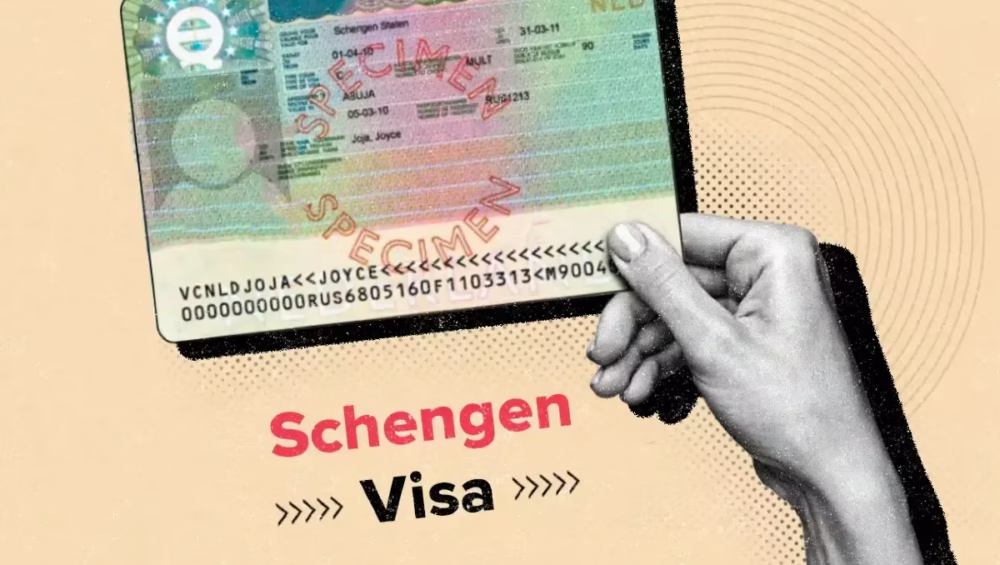
Discover how India–EU visa reforms could impact Europe visa applications from 2026–2030. Plan ahead for smoother travel and successful approvals.
The India–EU Free Trade Agreement (FTA) is expected to bring gradual but meaningful changes to mobility between India and Europe. While the agreement focuses on trade and services, one of its most relevant outcomes for travelers is the potential evolution of visa processes—particularly for short-term travel, business visits, and repeat travelers.
For individuals planning trips between 2026 and 2030, understanding how these reforms may influence the europe visa landscape is essential. Rather than immediate rule changes, the coming years are likely to bring improvements in predictability, processing efficiency, and traveler experience.
Why Visa Reform Matters for Future Europe Travel
Visa requirements remain one of the biggest decision factors for Indian travelers choosing Europe. Long timelines, appointment availability, and documentation complexity often influence not just where people travel, but whether they travel at all.
As mobility discussions progress under the FTA framework, the european visa process is expected to gradually align with growing travel demand—particularly for tourists, business visitors, and families. Even incremental improvements can significantly reduce uncertainty for applicants planning European travel in advance.
Travel Outlook 2026–2030: What Applicants Can Expect

More Predictable Visa Planning
One of the most likely outcomes over the next few years is better standardization of procedures. While requirements may remain strict, clearer timelines and digital integration could help applicants plan trips with greater confidence.
A more predictable europe visa process would benefit travelers booking flights, accommodation, and tours well ahead of peak seasons.
Increased Repeat and Short-Duration Travel
As confidence in approvals improves, travelers may be more inclined to visit Europe multiple times rather than treating it as a one-time journey. Short holidays, family visits, and event-based travel are expected to grow steadily.
For frequent travelers, consistency in the european visa experience becomes just as important as approval itself.
Wider Destination Choices Within Europe
When visa processes feel manageable, travelers tend to explore beyond the most popular cities. Between 2026 and 2030, more Indian travelers are expected to include lesser-known Schengen destinations as part of their itineraries—especially when travel spans multiple countries.
This trend highlights the importance of applying under the correct europe visa category and country of entry.
Opportunities for Travelers — and Where Guidance Still Matters
Easier Access, But Not Automatic Approvals
While reforms may streamline procedures, visas will continue to be assessed individually. Documentation accuracy, travel intent, and financial proof will remain critical.
This is where professional guidance becomes valuable—helping applicants align their profiles correctly with european visa requirements and avoid common rejection triggers.
Business, Leisure, and Family Travel Converging
The coming years will see more blended travel—business trips extended into leisure stays or family visits combined with tourism. Choosing the right visa category and structuring applications correctly will be essential to avoid complications.
Even with improvements, the europe visa process will still demand precision.
Challenges Travelers Should Be Prepared For
Country-Specific Differences
Despite overarching reforms, Schengen countries may continue to differ in appointment availability and document interpretation. Travelers must still apply strategically, based on itinerary and travel purpose.
Understanding these nuances within the european visa system will remain important.
High Demand and Seasonal Pressure
As travel demand rises, visa appointment availability could remain tight during peak periods. Early planning and professional support can help mitigate delays.
A well-prepared europe visa application continues to be the strongest advantage.
What This Means for Travelers Planning Ahead
Between 2026 and 2030, Europe is expected to become more accessible—but not less regulated. Visa reforms aim to improve efficiency, not remove scrutiny. Travelers who stay informed, plan early, and apply correctly will benefit the most from these changes.
For anyone considering Europe travel—whether for tourism, business, or family visits—understanding how the european visa process is evolving will be key to smooth and stress-free journeys.
Need Help Navigating Europe Visa Applications?
As visa frameworks evolve, expert assistance can make the difference between delays and successful approvals. Professional guidance ensures your europe visa application is accurate, compliant, and aligned with current Schengen requirements—so you can focus on planning your journey, not paperwork.
👉 Talk to a Schengen Assist Expert Today
👉 Get clarity before your appointment
👉 Avoid mistakes & last-minute rejections
Visit: SchengenAssist.com
Email: info@schengenassist.com
❓FAQs
1. Will the India–EU Free Trade Agreement change Europe visa rules?
The agreement is expected to support gradual improvements in visa efficiency and predictability. While eligibility criteria may remain the same, travelers could benefit from smoother processing over time.
2. When will visa-related changes for Europe take effect?
Most changes are expected to be phased in between 2026 and 2030. Travelers should continue following current Europe visa requirements while monitoring updates.
3. Will applying for a European visa become easier for Indian travelers?
The process may become more streamlined, but approvals will still depend on documentation, travel intent, and eligibility. Proper application preparation remains essential.
4. Does the FTA affect Schengen tourist visas?
Indirectly, yes. While the agreement focuses on trade and mobility, improvements in visa systems could positively impact Schengen tourist visa applicants over time.
5. Should travelers still seek professional visa assistance?
Yes. Even with reforms, the Europe visa process requires accuracy and compliance. Expert guidance helps reduce errors, delays, and rejection risks.