
multiple entry schengen visa, 90/180 day rule, schengen visa stay limit, schengen visa 90 days rule, schengen visa duration of stay, schengen visa calculation

Multiple Entry Schengen Visa Explained: The Truth About 90 Days (With Real Timeline Example)

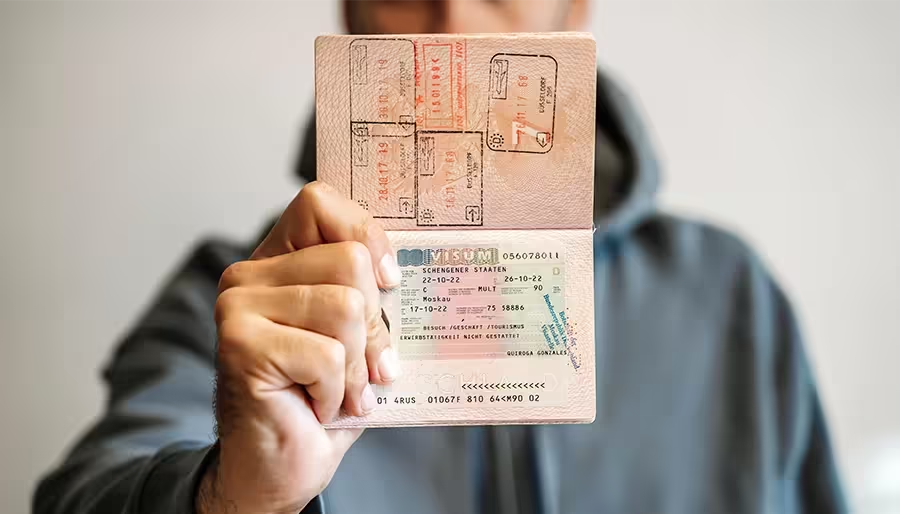
Receiving a 1-year multiple entry schengen visa for the Schengen Area often feels like complete travel freedom. Longer validity. Flexible entry. Multiple trips.

But very quickly, a common question arises:

“Does this mean 90 days per entry?”
Or
“If I use 90 days now, can I use another 90 days again in a few months?”

This confusion is extremely common — and in some cases, travelers even receive incorrect guidance from inexperienced agents.

In this blog, we’ll clearly explain what “90 days” actually means on a one-year multiple entry Schengen visa, how the 90/180-day rule works, where confusion usually happens (especially with US visas), and how to plan travel correctly.


What “Multiple Entry” Actually Means

When your visa mentions Multiple Entry, it simply means:

  • You can enter and exit the Schengen Area more than once

  • You can travel across all Schengen countries

  • You can re-enter during the visa validity period

However, multiple entry does not mean:

  • 90 days per entry

  • A fresh 90 days after each exit

  • 90 days per country

The number of entries and the duration of stay are two different things.

Your stay is governed by a separate rule known as the 90/180-day rule.


The 90/180-Day Rule — Explained Clearly

Under Schengen rules, you can stay:

Maximum 90 days within any rolling 180-day period.

This is not a fixed calendar period. It is a rolling calculation.

Immigration authorities calculate your stay by:

  • Counting backwards 180 days from any given date

  • Checking how many days you have stayed within that period

  • Ensuring it does not exceed 90 days

multiple entry schengen visa, 90/180 day rule, schengen visa stay limit, schengen visa 90 days rule, schengen visa duration of stay, schengen visa calculation

Important details to remember:

  • Entry day counts

  • Exit day counts

  • All Schengen countries are counted together

  • Leaving the Schengen Area does NOT reset your days

Even if your visa validity is one year, your stay is still limited to 90 days within any 180-day window.


Common Confusion with US Visa Rules

A major reason for misunderstanding comes from comparing Schengen visas with US visas.

The United States follows a completely different system.

Many travelers assume that since they have long-validity US visas allowing multiple entries, the Schengen visa must work the same way. It does not.

Schengen visas operate under a strict mathematical rolling calculation, while US entry rules are based on admission periods determined at the port of entry.

Here’s a simple comparison:

FeatureSchengen VisaUS Visitor Visa
Stay Rule90 days within 180 daysStay period decided at entry
Calculation TypeRolling 180-day calculationFixed stay granted per visit
Reset After Exit?NoYes, new admission granted
Applies Across Countries?Yes, entire Schengen AreaSingle country system

Schengen visa has its own structured framework and must not be compared with US visa stay patterns.

Understanding this distinction avoids major planning errors.


Example 1: 90 Days + 90 Days Outside + 90 Days Again

Let’s look at a compliant scenario.

First Trip

15 April → 14 July
= 90 days inside Schengen Countries

You have now used your full 90 days.

Stay Outside Schengen

15 July → 12 October
= 90 days outside

During this time, earlier stay days start falling outside the rolling 180-day window.

Second Trip

13 October → 10 January
= Eligible for another 90 days

This is a correct and safe use of the rule.
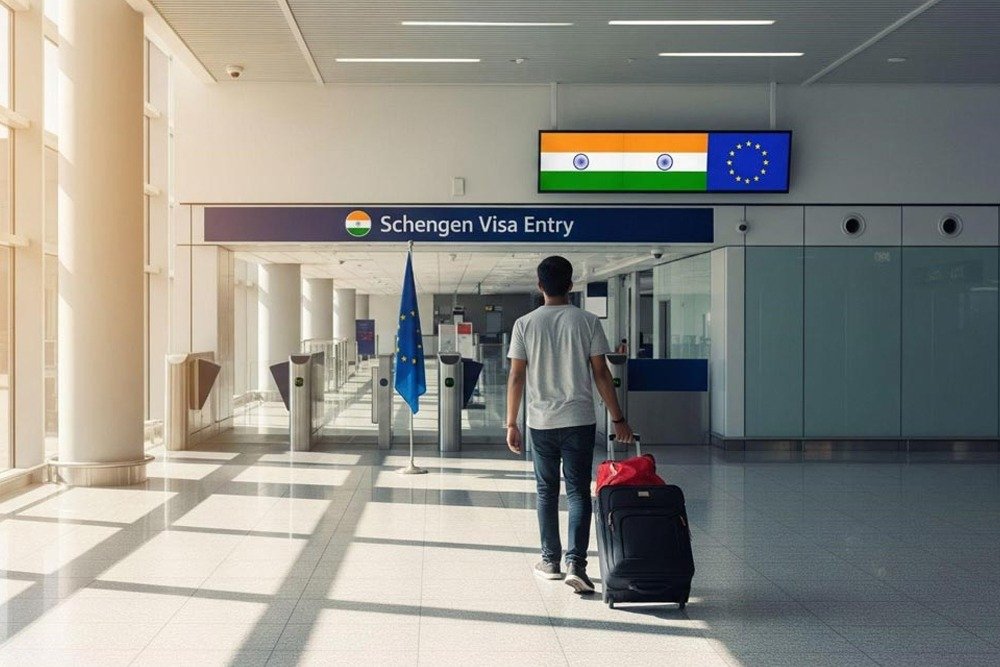
multiple entry schengen visa, 90/180 day rule, schengen visa stay limit, schengen visa 90 days rule, schengen visa duration of stay, schengen visa calculation


Example 2: “Can I Travel Again in September?”

This is where many travelers make a mistake.

First Trip

15 April → 14 July
= 90 days used

Now you want to re-enter on 1 September.

If authorities calculate backwards 180 days from 1 September, your entire April–July stay still falls within that period.

You have already used 90 days.

You have zero days remaining.

Entering again in September would result in overstay.

You must wait until mid-October before becoming eligible again.


Example 3: Multiple Short Trips

Now let’s consider someone who travels frequently.

1 February → 15 March = 43 days
1 May → 30 May = 30 days
1 July → 15 July = 15 days

Total used = 88 days

If this traveler plans to enter again on 1 August:

They only have 2 days remaining within that rolling 180-day window.

Even with a one-year visa validity, the 90-day limit strictly applies.

This is why date tracking becomes essential for frequent travelers.


Why Incorrect Advice Can Be Risky

Sometimes travelers hear:

“You can go to Schengen countries, then visit the UK, and come back to Schengen for fresh 90 days.”

This is incorrect.

Travel outside Schengen does not refresh your allowance automatically. Only time passing — allowing earlier days to fall outside the 180-day window — creates new eligibility.

Misunderstanding this rule can lead to:

  • Entry refusal

  • Fines

  • Future visa rejection

  • Travel bans

Even unintentional overstays can impact future applications.

multiple entry schengen visa, 90/180 day rule, schengen visa stay limit, schengen visa 90 days rule, schengen visa duration of stay, schengen visa calculation


Why Professional Calculation Matters

The Schengen system is digitally monitored. Entry and exit stamps are recorded and verified.

Frequent travelers, business visitors, and long-stay planners often miscalculate rolling periods.

At Schengen Assist, with over 10 years of visa assistance experience, we guide applicants with clarity and structured understanding.

We help you:

  • Interpret your visa correctly

  • Calculate travel timelines accurately

  • Plan multiple trips safely

  • Avoid overstays

  • Prepare documentation aligned with official requirements

Visa rules are technical. Assumptions can be expensive.


Final Takeaway

If your visa says:

Multiple Entry – Duration of Stay: 90 Days

It means:

  • 90 days total

  • Within any rolling 180-day period

  • Across the entire Schengen Area

  • Not 90 days per entry

  • Not automatically reset after exit

Schengen visa operates under its own structured rules and should not be compared with US visa stay patterns.


Plan Smart. Travel Confidently.

Before booking your second or third trip, always calculate your previous stays carefully.

If you are unsure whether your intended travel dates comply with the 90/180-day rule, let Schengen Assist help you assess your timeline properly.

Avoid confusion. Avoid overstays. Travel with clarity.

Contact Schengen Assist today and plan your Schengen travel the right way.

Connect Here!

europe schengen visa, schengen visa for couples, schengen visa documents, schengen visa requirements, valentines day europe travel

Europe Schengen Visa Guide for Valentine’s Day 2026 Travel

Valentine’s Day has always been about meaningful experiences, and in 2026, more couples are choosing Europe as the backdrop for their romantic celebrations. From candlelit dinners along historic canals to winter festivals filled with music and colour, February in Europe offers a unique charm that feels intimate, elegant, and unforgettable.

However, behind every seamless romantic getaway lies thoughtful planning — especially when travel involves multiple countries. Understanding the europe schengen visa is a key step in turning your Valentine’s Day dream into a smooth, stress-free journey.

This guide brings together everything you need to know: romantic destinations, local Valentine’s events, multi-country travel ideas, seasonal tips, and how to prepare your visa application with confidence.


Why Europe is Perfect for Valentine’s Day 2026

February transforms Europe into a quieter, more atmospheric destination. Tourist crowds are lower than peak summer months, cities glow with winter lights, and many destinations host special Valentine’s experiences exclusively during this period.

With a single europe schengen visa, travellers can explore multiple countries, making it ideal for couples who want variety — romance, culture, scenic beauty, and cuisine — all in one trip.


Best Romantic Places in Europe for Valentine’s Day 2026

europe schengen visa, schengen visa for couples, schengen visa documents, schengen visa requirements, valentines day europe travel

Europe is filled with destinations that feel tailor-made for romance, especially during winter.

Cities like Paris continue to enchant couples with candle-lit cafés, river walks, and timeless architecture. Venice adds an extra layer of magic in February, with its quiet canals and Carnival atmosphere creating a dreamy backdrop for Valentine’s celebrations. Prague and Vienna offer fairytale streets, classical music, and warm cafés that invite slow, meaningful moments together.

For those who prefer nature and winter scenery, alpine regions in Austria, Switzerland, and northern Italy provide snow-covered views, scenic train journeys, and cozy mountain stays. Thanks to the europe schengen visa, couples can easily mix diverse destinations & views with natural beauty in a single trip.


Local Valentine’s Events & Experiences: What’s Happening in 2026

Valentine’s Day in Europe is not just about destinations — it’s about experiences.

In 2026, travellers can expect:

  • Venice Carnival celebrations with themed balls and city-wide festivities

  • Special Valentine’s concerts and museum nights in Paris and Vienna

  • Winter festivals in France’s southern regions, combining romance with colour and tradition

  • Seasonal food and wine events across Central Europe

These events are time-specific, making early planning essential. When applying for a europe schengen visa, travel dates aligned with such festivals should be clearly reflected in your itinerary and accommodation bookings.


Planning a Multi-Country Romantic Trip

One of the biggest advantages of travelling with a europe schengen visa is the freedom to explore multiple countries without applying for separate visas. Valentine’s Day trips don’t need to be limited to one destination.

Couples can plan romantic itineraries such as Paris to Amsterdam, Vienna to Prague, or Zurich to Venice — all connected by efficient train routes and scenic journeys. Multi-country travel allows you to combine different cultures, cuisines, and experiences, making the celebration richer and more memorable.

However, multi-country trips also require careful planning. Entry points, length of stay in each country, accommodation confirmations, and travel routes must be clearly documented when applying for a europe schengen visa.


Schengen Visa Documents & Preparation for Couples

Couples applying for a Schengen visa should ensure their travel plans and documents clearly reflect a shared journey. While applications are submitted individually, consistency across both sets of documents is essential for smooth processing.

Key points to keep in mind:

  • Valid passports and completed visa application forms

  • Matching travel dates, flight reservations, and accommodation bookings

  • Travel insurance covering the full Schengen stay

  • Proof of financial means for both applicants

  • Cover letters explaining the joint travel purpose

  • Relationship proof, if applicable

Preparing documents together helps avoid errors and delays, making the visa process simpler and allowing couples to focus on planning their European Valentine’s getaway with confidence.

europe schengen visa, schengen visa for couples, schengen visa documents, schengen visa requirements, valentines day europe travel


Travel Safety & Seasonal Tips for February in Europe

February travel in Europe comes with its own considerations. Cold weather, snow in certain regions, and shorter daylight hours require thoughtful planning.

Travellers should pack appropriately for winter conditions, choose reliable transport options, and allow buffer time for weather-related delays. Indoor attractions, cultural experiences, and local dining become especially valuable during this season, offering warmth and comfort alongside romance.

From a visa perspective, having clear travel insurance coverage, confirmed bookings, and realistic itineraries strengthens a europe schengen visa application and helps avoid unnecessary complications.


When Should You Apply for Your Valentine’s Day Visa?

Valentine’s Day is a popular travel period, especially for couples and honeymooners. Visa appointment slots tend to fill quickly in January and February.

Ideally, travellers should:

  • Begin preparation 8–12 weeks before departure

  • Secure appointment slots early

  • Ensure all documents — flights, accommodation, insurance, cover letters — clearly align with the Valentine’s travel plan

Submitting a well-prepared europe schengen visa application not only improves approval chances but also reduces last-minute stress.


Making Your Valentine’s Trip Smooth from Start to Finish

A romantic holiday should feel exciting, not overwhelming. From selecting destinations to navigating visa rules, the right guidance can make all the difference. Whether you’re planning a single-city escape or a multi-country journey, clarity in documentation and travel planning is essential.

A properly structured europe schengen visa application reflects your travel intent, financial readiness, and itinerary accuracy — all key factors that embassies assess carefully.

💌 Ready to Plan Your Valentine’s Trip to Europe?

Planning a romantic European getaway deserves attention to detail — and a touch of expert support.
At Schengen Assist, we help travellers prepare accurate, confident visa applications while you focus on choosing experiences, destinations, and moments that truly matter.

This Valentine’s Day 2026, let love lead the way — and let Schengen Assist handle the paperwork with care, clarity, and professionalism.

Reach out to our experts, and take the first step toward a romantic European escape — minus the paperwork stress, and with all the excitement intact. ✨✈️

CONNECT: CLICK HERE!

schengen visa, first time schengen visa, schengen visa process, schengen visa documents, schengen visa guide, europe visa

What First-Time Schengen Visa Applicants Should Prepare Before Applying

Applying for a Schengen visa for the first time can feel overwhelming. From confusing document lists to appointment anxiety, many first-time applicants believe the process is far more complicated than it actually is. The truth? A successful Schengen visa application depends less on luck and more on preparation, clarity, and consistency.

If you’re applying for a Schengen visa for the first time, here’s a realistic, step-by-step breakdown of what you actually need — and what really matters.


Step 1: Understand What a Schengen Visa Covers

A Schengen visa allows travel across 29 European countries with a single visa. As a first-time applicant, you must apply through the embassy or authorised visa centre of:

  • The country you’ll spend the most time in, or

  • Your first point of entry, if stay duration is equal

Choosing the correct embassy is critical — applying to the wrong one is a common beginner mistake.


Step 2: Book Your Visa Appointment Early

Appointment availability can be limited, especially during peak travel months. First-time applicants should aim to book at least 6–8 weeks before travel.

What you’ll need at this stage:

  • Passport details

  • Preferred travel dates

  • Selected visa application centre

Tip: Don’t finalize non-refundable flights or hotels yet.


Step 3: Get Your Documentation Right (This Matters Most)

schengen visa, first time schengen visa, schengen visa process, schengen visa documents, schengen visa guide, europe visa

For first-time Schengen visa applicants, documentation quality often matters more than travel history.

Here’s what you’ll need:

Personal Documents

  • Valid passport (minimum 6 months validity)

  • Passport-size photographs (as per Schengen guidelines)

Travel Documents

  • Tentative flight booking

  • Hotel reservations or invitation letter

  • Day-wise travel itinerary

Financial Proof

  • Bank statements (last 6 months)

  • Proof of income (salary slips, ITR, business proof)

  • Sponsorship documents if applicable

Employment / Study Proof

  • Employment letter or leave approval

  • Business registration documents, or

  • Student ID and NOC (for students)

Travel Insurance

  • Minimum coverage of €30,000

  • Valid across all Schengen countries

  • Covers entire stay duration

Incomplete or inconsistent documents are one of the top reasons first-time applications fail.


Step 4: Write a Clear Cover Letter

Your cover letter explains your travel purpose and reassures the visa officer of your intent to return.

A strong first-time cover letter should clearly mention:

  • Why you are visiting Europe

  • Your travel dates and cities

  • Who is paying for the trip

  • Your ties to India (job, business, family)

Avoid exaggeration. Honesty and clarity matter more than fancy wording.


Step 5: Attend the Appointment Calmly

At the visa centre, you will:

  • Submit documents

  • Provide biometrics (fingerprints & photo)

  • Answer basic questions (if asked)

There is no formal interview for most Schengen visas. Confidence comes from preparation, not memorized answers.


Step 6: Wait Period & Tracking

Processing usually takes 10–15 working days, though it may vary by embassy and season.

During this time:

  • Track your application online

  • Avoid making travel changes

  • Stay reachable by phone/email

First-time applicants often worry during this stage — which is normal.


Step 7: Decision & What to Expect

Approval doesn’t always mean a long-term visa. Many first-time applicants receive:

  • Single-entry or short-duration visas

  • Valid only for planned travel dates

This is completely normal and not a rejection of future applications.


First-Time Applicant vs Repeat Applicant

FactorFirst-Time ApplicantRepeat Applicant
Travel historyNot mandatoryOften strengthens application
Visa durationShort-termLonger validity possible
Scrutiny levelHigherModerate
Importance of documentsVery highHigh
Approval chancesGood with correct prepGenerally higher

schengen visa, first time schengen visa, schengen visa process, schengen visa documents, schengen visa guide, europe visa

Common Myths First-Timers Should Ignore

  • ❌ “You need a huge bank balance”

  • ❌ “No travel history means rejection”

  • ❌ “Confirmed tickets are mandatory”

✔ Strong documents, realistic plans, and genuine intent matter far more.


Apply Smart. Travel Confident.

Whether you’re applying for a Schengen visa for the first time or just want a smoother, stress-free journey, Schengen Assist offers tailored support from start to finish. Their service is especially helpful for first-time travellers who need:

  • clear, step-by-step guidance through the entire visa process

  • support with documentation and interview preparation

  • transparent updates at every stage

  • expert assistance to avoid common mistakes

With full support and a straightforward process designed for beginners, you can apply with confidence and dramatically reduce anxiety around your Schengen visa application.

Visit: SchengenAssist.com
Email: info@schengenassist.com

Contact Us – Click Here!

luxembourg tourist visa, luxembourg visa appointment, ahmedabad vfs, luxembourg schengen visa, vfs global luxembourg

Europe Visa Update: Countries Offering Easier Entry for Indian Travellers

Planning a Europe trip from India can be thrilling — but the visa process often feels daunting. While the Schengen visa is your gateway to most of Europe, not all countries’ visa procedures are equally smooth. Some countries are known for clearer instructions, higher approval rates, and easier application experiences for Indian travellers. Below, we break down what makes these visas easier — country by country — so you can choose your destination wisely and boost your chances of success.

A Schengen visa is what makes multi-country travel across Europe so seamless. It allows travellers to move freely within the Schengen Zone, which includes 27 European countries that follow a shared visa policy. Instead of applying for separate visas for each destination, Indian travellers can explore multiple countries on a single Schengen visa, as long as they apply through the country where they plan to spend the most time or first enter.


1. Iceland — High Approval & Low Backlog

Iceland consistently ranks as one of the easiest Schengen visas for Indian applicants. Because fewer Indians apply here compared with popular Western European destinations, consulates often process applications quickly with fewer rejections. Lower visitor volume also means shorter queues and more personalised attention to applications. In 2024, Iceland had one of the highest approval rates for Indian Schengen applications, with a rejection rate as low as around 2.2%, meaning the vast majority of applications were approved.

What makes it easier:

  • Smaller application volume leading to faster processing and fewer bottlenecks.

  • Typically higher visa approval rates for Indian short-stay travellers.

  • Ideal choice for first-time Schengen applicants.


2. Estonia — Digital & Efficient Processing

Estonia is known for its digital-friendly approach to consular services. Applicants often find the instructions clear and documentation requirements straightforward. Many Indian travellers report efficient communication and smooth appointment scheduling through visa centres or embassy systems. Estonia’s reputation for clarity and efficiency makes it attractive, especially for those who value smooth digital processes and predictable timelines.

What makes it easier:

  • Transparent visa instructions and well-defined checklists.

  • Efficient processing with fewer unnecessary delays.

  • Helpful for both first-time and repeat travellers.


3. Portugal — Welcoming Policies & High Approval Rates

Portugal is frequently cited as one of the most welcoming Schengen countries for Indian tourists. The country’s visa offices are known for logical scrutiny of documents and comparatively flexible handling of touristic applications. It also offers multiple-entry visas that are appealing for travellers planning return visits. According to Schengen visa data in 2023, overall Schengen visa approval rates across Europe were over 82%, compared with around 78% in 2022, showing improving trends year over year, and well-prepared applications to countries like Portugal often fall into the higher side of this average.

What makes it easier:

  • Friendly visa handling with solid approval trends.

  • Potential for multiple-entry visas on well-prepared applications.

  • Useful for travellers who plan multi-destination European trips.


4. Italy — Structured Process & Accessible Appointment Network

Italy may receive higher application volumes, but what it lacks in low traffic it compensates with well-structured processing and a wide visa appointment network across India. Clear documentation lists and local support at visa centres help applicants navigate the process more confidently. In 2024, Italy approved tens of thousands of applications for Indian travellers with high approval percentages among major Schengen issuers — remaining one of the more reliable consulates when documentation is complete.

What makes it easier:

  • Extensive appointment availability across major Indian cities.

  • Clear procedural guidelines and support staff.

  • Good track record of visa approvals when documentation is complete.


5. Slovakia — Central Europe’s Accessible Option

Slovakia is another Schengen member where Indian travellers often experience fewer complications. Because it receives relatively fewer applications compared with France or Germany, its consular teams can focus on thorough yet efficient processing. Indian applicants who choose lesser-known Schengen embassies often benefit from reduced competition for appointment slots and quick turnarounds.

What makes it easier:

  • Lower application volumes leading to faster appointments.

  • Standard document requirements with consistent processing.

  • Good entry point into Central Europe for first-time travellers.


6. Bulgaria & Romania — Simple National Visas (Non-Schengen)

Unlike the countries above, Bulgaria and Romania are non-Schengen European nations that offer national visas. These visas can be easier for Indian travellers seeking a hassle-free entry point into Europe with simpler paperwork and often shorter processing times. While they don’t grant Schengen area access in the same way, they remain ideal options for focused trips to those countries.

What makes them easier:

  • Straightforward national visa procedures.

  • Less competition and fewer rejection pitfalls.

  • Great alternatives for travellers seeking non-Schengen European experiences.


europe visa, schengen visa

Real Numbers from the Visa Landscape — What Indian Applicants Should Know

Europe’s visa statistics offer valuable signals when planning your application strategy:

  • In 2024, over 1.1 million Schengen visa applications were submitted from Indian travellers, reflecting a steady rise in demand compared with previous years.

  • Top Schengen issuers to Indian applicants included Switzerland, France, Germany, Spain, Netherlands, Italy, Austria, Belgium, Greece, and Sweden, with Switzerland alone approving nearly 191,162 visas out of 217,373 applications — an approval rate approaching 88%.

  • Overall rejection rates for Indian Schengen visa applications are around 15%–16%, meaning approximately 9 out of 10 applications get approved when documentation and travel intent are in order.

These figures show that while Europe is competitive, well-prepared applications — especially to the right destinations — hold strong chances of success.


Europe Travel Made Easy With — Schengen Assist

Navigating Europe’s visa maze becomes infinitely easier with structured support. Services like Schengen Assist help Indian applicants at every step — from choosing the right destination consulate to preparing document checklists, scheduling appointments, and avoiding common pitfalls.

With expert guidance:

  • You’re less likely to make avoidable errors in documentation.

  • You get personalised tips for improving approval chances.

  • You save time and stress compared with going it alone.

Whether you’re applying through Iceland for its high approval rate or choosing Italy for its broad appointment network, having reliable support can make your European holiday plans feel less like a visa puzzle and more like the adventure you envisioned.


Final Thoughts

Picking the right country to apply through can make a significant difference in how smooth and successful your visa experience is. Iceland and Estonia stand out for ease and efficiency, Portugal and Italy for welcoming processes, Slovakia for accessibility, and Bulgaria and Romania for straightforward national visas. Real visa trends show that millions of Indian travellers are successfully getting approvals each year. Align your trip goals with the strengths of each visa path, prepare your documents meticulously, and you’ll be well on your way to exploring Europe with confidence.


Ready to explore Europe without the visa headaches? Start your Schengen application journey today — and let nothing stop you from saying “Ciao!” to your dream vacation! ✈️🌍

Visit: SchengenAssist.com
Email: info@schengenassist.com

Connect With Us – Click Here!

schengen visa india, passport power 2026, schengen visa assistance, schengen visa, schengen travel europe, europe visa from india

Passport Power in 2026: What It Means for Schengen Visa Applicants from India

For Indian travellers, a Schengen visa remains the key that unlocks access to 27 European countries under a single permit. Whether the purpose is tourism, business meetings, or short-term professional travel, the Schengen visa process plays a crucial role in determining how smoothly a European journey unfolds. Understanding where the Indian passport stands globally helps travellers approach this process with clearer expectations and better preparation.

In 2026, international travel continues to be shaped by diplomacy, bilateral agreements, and global mobility policies. One of the most widely referenced measures of travel freedom is the Henley Passport Index, which ranks passports based on how many destinations their holders can access visa-free, with visa-on-arrival, or via electronic travel authorization.

While this ranking highlights which passports offer the most mobility, it also clearly shows the challenges faced by travellers from countries where advance visas are still required. For Indian travellers planning a trip to Europe, particularly to the Schengen Area, passport power plays a significant role in planning, timelines, documentation, and overall travel readiness.


Understanding Passport Power in 2026

Passport power refers to the number of countries a passport holder can visit without applying for a visa in advance. In 2026, the global travel landscape shows a widening gap between the most powerful passports and those with limited mobility.

At the top of the rankings, countries like Singapore allow visa-free or simplified access to over 190 destinations worldwide. Japan and South Korea follow closely, each granting access to nearly 188 destinations. Several European Union and Schengen countries, including Germany, France, Italy, Spain, and Switzerland, rank highly as well, offering access to approximately 185 destinations.

The United Arab Emirates continues to be one of the fastest-rising passports, providing access to over 180 destinations, while traditionally strong passports like the United States still offer visa-free or simplified access to nearly 180 countries.

In comparison, the Indian passport ranks around 80th globally in 2026, allowing access to approximately 55 destinations without a prior visa. While this represents a gradual improvement compared to previous years, it still places Indian travellers in a category where advance visas remain essential for many popular regions — including Europe.


Schengen Area Passport Holders and Their Travel Advantages

The Schengen Area, comprising 27 European countries, allows seamless travel across member states once entry is granted. For passport holders of Schengen and other high-ranking countries, this creates significant advantages in terms of mobility, flexibility, and travel costs.

Below is a snapshot of how passport strength compares across key countries in 2026.

Passport Power Comparison (2026)

Passport CountryGlobal RankVisa-Free / VOA / ETA AccessSchengen AccessKey Advantages
Singapore1192 destinationsVisa-freeExceptional global mobility
Japan2188 destinationsVisa-freeStrong business and tourism access
South Korea2188 destinationsVisa-freeSmooth multi-country travel
Germany4185 destinationsNative accessRight to live and work across EU
France4185 destinationsNative accessEU free movement
Italy4185 destinationsNative accessUnrestricted Schengen travel
UAE5184 destinationsVisa-free short staysStrong diplomatic reach
United States10179 destinationsVisa-free short staysWide global acceptance
India8055 destinationsVisa requiredGrowing but limited mobility

schengen visa india, passport power 2026, schengen visa assistance, schengen travel europe, europe visa from india, schengen visa

Why Indian Travellers Still Need a Schengen Visa

Despite improvements in passport strength, Indian citizens are required to obtain a Schengen visa before travelling to Europe. Unlike citizens of EU or top-ranking passport countries, Indian travellers must complete a formal visa application process, which includes:

  • Selecting the correct Schengen country based on travel purpose or stay duration

  • Booking embassy or VFS appointments

  • Submitting supporting documents such as financial proof, accommodation details, travel insurance, and confirmed itineraries

  • Attending biometric appointments

  • Waiting for visa processing and approval

This requirement applies whether the purpose of travel is tourism, business, family visit, or short-term professional activity.


How Passport Power Impacts Indian Tourists

For Indian tourists, passport strength directly affects how travel is planned:

  • Advance preparation is mandatory: Unlike travellers with visa-free access, Indian tourists must plan trips weeks or months in advance

  • Higher documentation burden: Proof of funds, accommodation, return tickets, and insurance are essential

  • Increased travel costs: Visa fees, insurance, and administrative expenses must be factored into budgets

  • Reduced spontaneity: Last-minute European travel is rarely possible without prior visa approval

That said, the upward movement of India’s passport ranking indicates a positive trend. As diplomatic relationships evolve, Indian travellers may gradually see expanded travel freedom in the coming years.


Impact on Indian Business Travellers

For Indian professionals and business travellers, passport power has a distinct impact:

  • Schengen business visas enable access to 27 countries with a single visa once approved

  • Multiple meetings and conferences across Europe become feasible without reapplying for separate visas

  • Time sensitivity is critical: Delays in documentation or appointments can disrupt business schedules

  • Professional support reduces risk: Errors in applications or incomplete paperwork can lead to refusals, affecting credibility and timelines

Although Indian passport holders do not enjoy visa-free access to Europe, a well-prepared Schengen business visa offers substantial operational flexibility once granted.


Why Understanding Passport Power Matters for Schengen Applicants

Passport rankings may appear abstract, but they have real implications:

  • They explain why visa requirements differ from country to country

  • They highlight the importance of accurate documentation and compliance

  • They set realistic expectations around processing times and approval conditions

  • They underscore the value of expert visa assistance, especially for high-demand regions like Schengen

For Indian travellers, awareness of passport power helps in planning early, choosing the correct visa category, and avoiding last-minute issues.


How Schengen Assist Supports Indian Travellers

Navigating the Schengen visa process can be complex, particularly for first-time applicants or those travelling for business. Schengen Assist supports Indian travellers through:

  • Purpose-specific document checklists

  • Appointment booking and guidance

  • Application review to minimise errors

  • Travel insurance and itinerary support

  • End-to-end assistance until visa decision

Even as global mobility evolves, the Schengen visa remains a mandatory requirement for Indian passport holders, making expert guidance an essential part of successful travel planning.


Conclusion

The Henley Passport Index 2026 highlights the growing divide in global travel freedom. While some passport holders enjoy near-unrestricted mobility, others — including Indian travellers — must rely on structured visa processes to access key destinations like Europe.

India’s improving passport ranking is a positive sign, but for now, Schengen visas remain essential for Indian tourists and business travellers alike. With careful planning and the right support, European travel can be smooth, efficient, and rewarding.

For those planning to explore the Schengen region in 2026, Schengen Assist ensures clarity, compliance, and confidence at every stage of the visa journey.