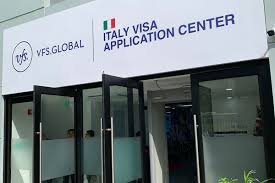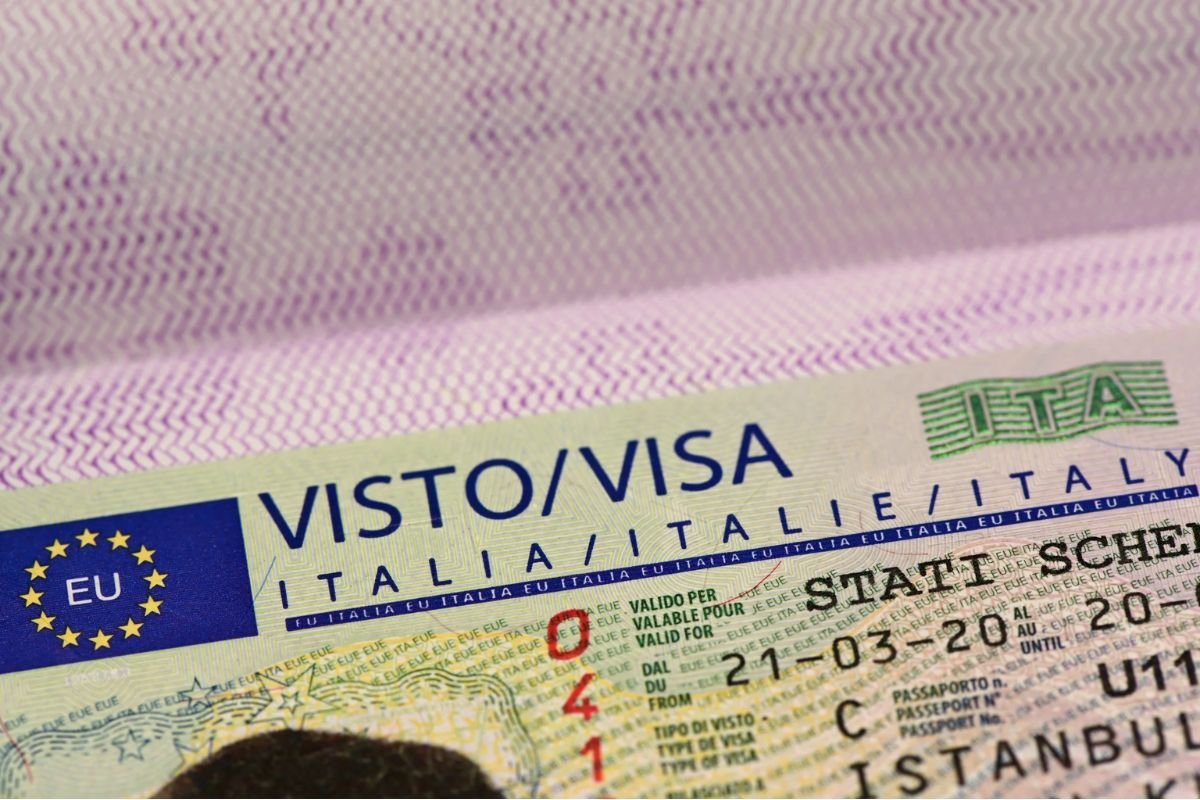
italy visa, italian visa, italy schengen visa, italy visa processing, schengen visa italy, italy visa update

Important: Italy Schengen Visa Processing Paused 12–18 February 2026 – What You Need to Know

Travel plans to Italy are always exciting — from historic cities to business hubs and cultural experiences. However, travelers applying for an italy schengen visa in February 2026 need to be especially mindful of a temporary disruption that may affect timelines and planning.

Italy has announced a worldwide pause in visa processing due to a VIS-IT system upgrade, creating what many applicants are calling a short-term visa blackout.” Understanding what this means, how it affects your application, and what alternatives are available can help you avoid unnecessary stress or delays.

This guide explains the VIS-IT shutdown, practical steps travelers should take, how to plan trips around the downtime, and what last-minute travelers can do — all in one place.


Looking for the most recent Italy appointment update? 

Read our latest article for current slot availability and business visa guidance.

Update: Italy Appointment Slots Going Live on 19th February Worldwide – What Applicants Need to Know

What Is the VIS-IT Shutdown and Why It Matters

The Italian Ministry of Foreign Affairs is upgrading its VIS-IT (Visa Information System – Italy) platform, which manages visa data, biometrics, and application processing across Italian embassies and consulates worldwide.

Due to this upgrade, Italian visa processing will be paused globally from 12 February to 18 February 2026.

During this period:

  • New italy visa applications will not be accepted

  • Biometric appointments (fingerprints and photographs) will be suspended

  • No italian visa decisions will be issued

  • Passport collection and dispatch may be delayed

This affects tourist visas, business visas, and other short-stay Schengen visa categories where Italy is the main destination.

While the shutdown is temporary, it impacts applicants who are working with tight travel timelines or who were planning to submit documents in mid-February.


What the VIS-IT Shutdown Means for Italian Visa Applicants

For most travelers, the shutdown does not cancel applications — but it pauses progress.

If you have already submitted an italy schengen visa application before the downtime:

  • Your application will remain in the system

  • Processing will resume once the VIS-IT platform is live again

  • Final decision timelines may shift slightly

If you were planning to apply during the shutdown window:

  • You will need to wait until processing resumes

  • Appointment availability may become limited immediately after the pause

  • Processing times may increase temporarily due to backlog

For first-time Schengen travelers, this can be confusing, especially if flights or accommodations are already booked. This is where expert guidance becomes valuable — ensuring your italy visa application is submitted at the right time and to the right authority.


Practical Steps to Navigate the Italian Visa Blackout

italy visa, italian visa, italy schengen visa, italy visa processing, schengen visa italy, italy visa update

The key to managing the VIS-IT downtime is timing and preparation. Here are smart steps travelers should take:

1. Submit Early if Possible

If your travel date allows it, submitting your italian visa application before 9–10 February 2026 can help avoid disruption. Early submission reduces the risk of delays once the system goes offline.

2. Prepare Documents in Advance

Even if submission must wait, you can still:

  • Organize financial documents

  • Finalize travel insurance

  • Prepare invitation letters or business documents

  • Ensure passport validity meets italy visa requirements

Being fully prepared allows faster submission once appointments reopen.

3. Avoid Tight Travel Windows

If your travel date falls in late February or early March, allow buffer time. The post-shutdown rush may slow processing temporarily for italian visa applications.

4. Track Embassy-Specific Updates

While the shutdown is global, appointment resumption speed may vary by location. Monitoring local embassy announcements helps avoid missed opportunities.


How to Plan Your Italy Trip Around the VIS-IT Downtime

Trip planning is just as important as the visa itself. Travelers should adjust expectations and timelines realistically.

Booking Flights and Hotels

If your italy visa has not yet been approved:

  • Choose refundable or flexible bookings

  • Avoid non-changeable flight tickets

  • Confirm hotel cancellation policies

This protects you if processing extends beyond expected timelines.

Aligning Travel Dates with Visa Timelines

Ideally:

  • Apply at least 4–6 weeks before travel

  • Avoid scheduling departure within days of expected visa approval

  • Allow extra time if applying shortly after the VIS-IT system resumes

A carefully planned timeline reduces anxiety and financial risk.


Alternatives for Last-Minute Travelers During the Shutdown

If your travel is urgent and falls within or immediately after the shutdown window, there may still be options.

Applying via Another Schengen Country

In some cases, travelers may apply through another Schengen country if:

  • That country is the main destination

  • Majority stay is outside Italy

  • Travel purpose genuinely aligns

This must be done carefully — incorrect applications can lead to refusal or future issues.

Postponing Travel Strategically

For business travelers, rescheduling meetings by a week or two can make the italian visa process far smoother than rushing during backlog periods.

Professional Assistance

For last-minute travelers, expert review becomes critical. Incorrect documentation or rushed submissions during high-volume periods increase rejection risks for both italy visa and italian visa applications.


What Happens After the VIS-IT System Comes Back Online

italy visa, italian visa, italy schengen visa, italy visa processing, schengen visa italy, italy visa update

Once the upgrade is complete:

  • Appointment slots may fill quickly

  • Processing may be slightly slower for a short period

  • Demand for italy schengen visa appointments may spike

Applicants who are well-prepared and guided correctly will move ahead faster than those submitting incomplete or incorrect files.

This phase often creates confusion among travelers — when to apply, how long it will take, and whether plans should change. Clear, professional guidance helps applicants move forward with confidence.


Feeling Confused? You’re Not Alone

System upgrades, processing pauses, and shifting timelines can be overwhelming — especially if this is your first italy visa application or if travel plans are time-sensitive.

If you’re unsure:

  • When to apply

  • Whether your travel dates are realistic

  • If alternative options exist

  • How to avoid delays or mistakes

Schengen Assist helps travelers make informed decisions by offering clarity, document guidance, and expert support throughout the italian visa process.

📞Get Started Today

If you’re applying for an Italy Visa and want expert support at every step:

👉 Talk to a Schengen Assist Expert Today
👉 Get clarity before your appointment
👉 Avoid mistakes & last-minute rejections

Visit: SchengenAssist.com
Email: info@schengenassist.com
italian visa, italy visa, indian travelers, family travel italy, schengen visa 2026

Italian Visa Centres to Halt Applications: What Indian Families Need to Know

Italian visa centres will halt applications from 11–18 February 2026. Indian families and leisure travelers planning trips to Italy should prepare early to avoid delays and ensure a smooth visa application process.

Italy remains one of the most popular European destinations for Indian travelers, especially families and leisure tourists planning holidays in 2026. However, a recent announcement affecting visa services has made early planning more important than ever.

The News: Temporary Halt in Italian Visa Applications

Italian visa centres worldwide have announced a temporary suspension of all visa applications from 11 to 18 February 2026. This pause is due to a system migration, as Italy upgrades its consular and visa-processing infrastructure.

During this period, visa centres will not accept new applications, process appointments, or carry out routine submission activities. While services are expected to resume after 18 February, authorities have indicated that some backlog and processing delays may occur once operations restart.

For Indian travelers — particularly families and leisure tourists — this development may appear minor at first glance. However, when combined with peak travel demand, school holidays, and fixed vacation schedules, even a short pause can have a significant impact.


Why This Matters for Indian Travelers

Indian passport holders already face tight timelines when applying for Schengen visas. Appointment availability, document preparation, and processing periods often require careful coordination. The February shutdown adds another variable that travelers must factor into their plans.

If you’re planning a trip to Italy in early or mid-2026, especially with family members, this pause could affect:

  • Appointment availability before and after February

  • Processing timelines for peak travel months

  • School holiday travel and pre-booked itineraries

  • Group and family visa submissions

For anyone applying for an italy visa, understanding how this brief suspension fits into the broader travel calendar is essential.


Impact on Family and Leisure Travel Plans

italian visa, italy visa, indian travelers, family travel italy, schengen visa 2026

1. Families Traveling During School Holidays

Indian families often plan European vacations around school breaks — summer holidays, spring breaks, and long weekends. Many of these trips are finalized months in advance, with flights and accommodation booked early to manage costs.

The February suspension falls just before the busy spring and summer travel season. Applications submitted too close to this period may face longer processing times due to accumulated demand once visa centres reopen.

Families applying together should also remember that multiple applicants mean additional document checks, which can extend timelines further.

2. Leisure Travelers and First-Time Visitors

Italy attracts a large number of first-time Schengen travelers from India. These applicants often require additional guidance, corrections, or re-submissions during the process.

With visa systems offline for a week in February, even minor documentation issues could push applications into later processing windows. For leisure travelers with fixed travel dates, this increases the importance of submitting complete and accurate applications early.

3. Multi-City and Multi-Country Trips

Many leisure travelers plan Italy as part of a larger Europe itinerary — combining it with France, Switzerland, or other Schengen states. Delays in one visa application can disrupt an entire travel plan.

Since Italy is often chosen as the main destination, delays related to the italian visa process could force travelers to reconsider routes, bookings, or travel dates.


What Happens to Applications Already Submitted?

Applications submitted before 11 February 2026 will continue to be processed, but travelers should be prepared for potential slowdowns immediately after services resume.

It’s important to note:

  • The suspension does not guarantee faster processing after reopening

  • Backlogs are common following system upgrades

  • Applicants may experience longer response times in late February and early March

This makes it advisable to avoid making non-refundable bookings until visa approval is received.


How Indian Families Can Plan Smarter in 2026

italian visa, italy visa, indian travelers, family travel italy, schengen visa 2026

Apply Earlier Than Usual

While many travelers apply 4–6 weeks before departure, families should consider applying even earlier in 2026. This buffer helps absorb unexpected delays, including system downtime and high seasonal demand.

Avoid February Submission Rush

With visa centres closed mid-February, appointment slots before and after the pause are likely to fill quickly. Planning submissions well before this period reduces competition for limited slots.

Keep Documentation Clear and Consistent

Family applications often involve school letters, financial documents, sponsorship proofs, and travel plans for multiple people. Clear, well-organized paperwork reduces the risk of queries that could delay processing.

This is particularly important when applying for an italy visa for children or elderly family members.

Be Flexible With Travel Dates

Where possible, flexibility can be a major advantage. Even shifting travel by a week or two can make a difference during peak demand periods.


Looking Ahead: Italy Travel in 2026

The February system migration is part of a broader effort to modernize Italy’s visa infrastructure. While short-term disruptions are inconvenient, such upgrades may lead to improved processing efficiency in the long run.

At the same time, Italy is expected to see:

  • Increased tourist demand in 2026

  • Higher visa application volumes from India

  • Greater scrutiny of travel documentation

All of this reinforces the need for early planning and realistic timelines.

Make Your Italy Trip Stress-Free

Planning a trip to Italy? Schengen Assist can help ensure a smooth and hassle-free visa application process. From document checks to appointment support, their experts guide you every step of the way so you can focus on what matters most — enjoying your travel.

Get expert support today: Schengen Assist
Contact us – Click Here.