Planning a European holiday in 2026 or early 2027? For Indian travelers, understanding how the Europe visa landscape is evolving is essential before confirming flights, hotels, or itineraries. With the delayed rollout of ETIAS and the introduction of new digital border systems, Europe’s entry rules are changing, and being informed early can save time, stress, and last-minute surprises.
This guide breaks down what ETIAS means, how it connects to other new entry rules, and what Indian passport holders should expect when applying for a Europe visa in the coming years.
Understanding ETIAS and Its Relevance to Indian Travelers
ETIAS, or the European Travel Information and Authorisation System, is a digital travel authorisation planned for visitors from visa-exempt countries entering the Schengen Area for short stays. It is not a traditional Europe visa, but rather an added security and screening step for eligible travellers.
At present, Indian passport holders still require a Schengen Europe visa for tourism or short stays. ETIAS does not replace this requirement. However, it is part of a broader transformation of Europe’s border controls, and understanding it helps Indian travellers plan better for future trips and potential policy changes.
In simple terms:
ETIAS is an online authorisation, not a stamp or sticker.
It applies only to travellers who do not already need a Europe visa.
It works alongside other systems that track entry, exit, and stay duration.
ETIAS Timeline: What’s Changed for 2026–27
ETIAS was expected to launch earlier, but it has now been officially delayed. The current plan places its rollout in late 2026, followed by a transition and grace period extending into 2027.
What this means in practice:
Travel to Europe in early or mid-2026 will follow existing rules.
Indian travellers will still apply for a Schengen Europe visa as usual.
ETIAS will not be strictly enforced immediately after launch.
Full mandatory use is expected closer to early or mid-2027.
For Indian tourists, this delay does not remove the need for a visa, but it does mean fewer sudden changes during 2026 travel planning.
Europe Travel in 2026: New Entry Rules Every Visitor Must Know
Even before ETIAS becomes mandatory, Europe is introducing a major system that affects all non-EU travellers, including those holding a Europe visa.
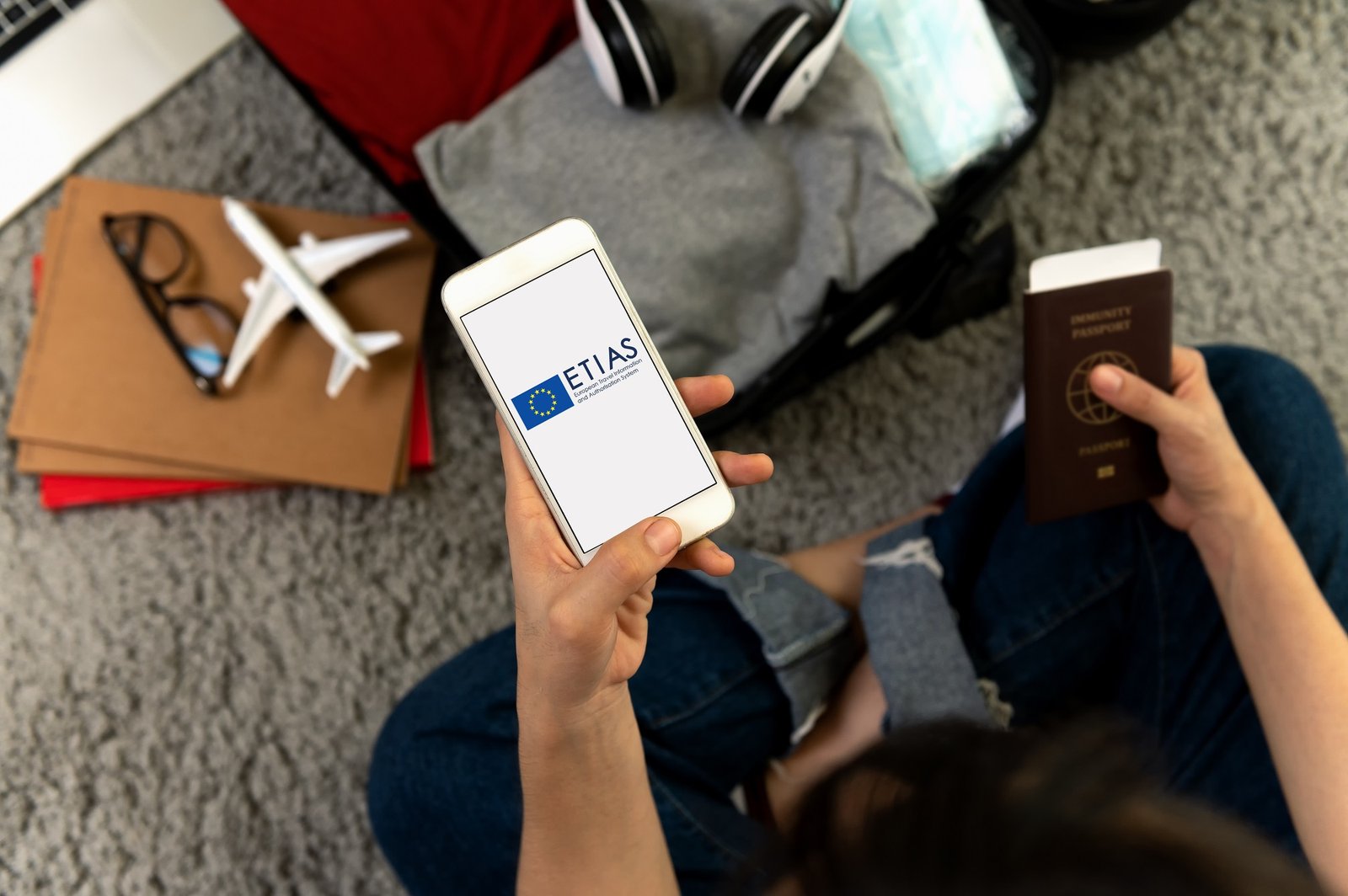
The Entry/Exit System (EES) replaces passport stamping with digital records and biometric verification across the Schengen Area.
Key changes under EES:
Facial images and fingerprints will be collected at borders.
Entry and exit dates will be digitally logged.
Overstay calculations will be automated.
Border checks may initially take longer during peak travel periods.
For Indian travellers, this means that holding a valid Europe visa alone is not enough. Your biometric data, passport accuracy, and travel dates must align precisely with your approved stay.
How ETIAS Will Work Once It Becomes Active
When ETIAS is fully implemented, eligible travellers will need to:
Apply online before travelling to Europe.
Enter passport details and answer basic security questions.
Pay a small processing fee.
Receive digital approval linked to their passport.
This process is designed to be simpler than applying for a visa, but it will not apply to Indian passport holders unless visa-free access rules change in the future. Until then, the Schengen visa remains the primary requirement for Indian citizens.
What Indian Travelers Should Do When Planning Europe Trips
If Europe is on your travel list for 2026–27, here’s how to prepare smartly:
Apply early
Schengen appointments fill up quickly. Start your visa application well in advance, especially for summer or festive travel periods.
Check passport validity
Your passport should be valid for at least six months beyond your return date, a standard condition for a Europe visa.
Plan for biometric delays
With EES in place, allow extra time at immigration counters, even if your visa is approved.
Follow official updates only
Avoid unofficial sources offering fast approvals. Always rely on embassy or authorised platforms for accurate visa information.
ETIAS vs Schengen Visa: Clearing the Confusion
A common misconception is that ETIAS replaces the Schengen visa. It does not.
ETIAS is for visa-exempt travellers.
Indian citizens still need a Schengen visa.
ETIAS may coexist with visas as part of Europe’s digital border ecosystem.
Both systems aim to improve security and manage travel flow.
Understanding this distinction ensures you apply for the correct Europe visa and avoid denied boarding or entry issues.
Need Help With Your Application?
Navigating changing travel rules can be confusing, especially with new systems like ETIAS and EES coming into effect. Schengen Assist can help you apply with clarity, accuracy, and confidence — from documentation guidance to appointment support — ensuring your Europe visa process stays smooth, timely, and stress-free.
Visit: SchengenAssist.com
Email: info@schengenassist.com
Connect With Us – Click Here!