
luxembourg tourist visa, luxembourg visa appointment, ahmedabad vfs, luxembourg schengen visa, vfs global luxembourg

Europe Visa Update: Countries Offering Easier Entry for Indian Travellers

Planning a Europe trip from India can be thrilling — but the visa process often feels daunting. While the Schengen visa is your gateway to most of Europe, not all countries’ visa procedures are equally smooth. Some countries are known for clearer instructions, higher approval rates, and easier application experiences for Indian travellers. Below, we break down what makes these visas easier — country by country — so you can choose your destination wisely and boost your chances of success.

A Schengen visa is what makes multi-country travel across Europe so seamless. It allows travellers to move freely within the Schengen Zone, which includes 27 European countries that follow a shared visa policy. Instead of applying for separate visas for each destination, Indian travellers can explore multiple countries on a single Schengen visa, as long as they apply through the country where they plan to spend the most time or first enter.


1. Iceland — High Approval & Low Backlog

Iceland consistently ranks as one of the easiest Schengen visas for Indian applicants. Because fewer Indians apply here compared with popular Western European destinations, consulates often process applications quickly with fewer rejections. Lower visitor volume also means shorter queues and more personalised attention to applications. In 2024, Iceland had one of the highest approval rates for Indian Schengen applications, with a rejection rate as low as around 2.2%, meaning the vast majority of applications were approved.

What makes it easier:

  • Smaller application volume leading to faster processing and fewer bottlenecks.

  • Typically higher visa approval rates for Indian short-stay travellers.

  • Ideal choice for first-time Schengen applicants.


2. Estonia — Digital & Efficient Processing

Estonia is known for its digital-friendly approach to consular services. Applicants often find the instructions clear and documentation requirements straightforward. Many Indian travellers report efficient communication and smooth appointment scheduling through visa centres or embassy systems. Estonia’s reputation for clarity and efficiency makes it attractive, especially for those who value smooth digital processes and predictable timelines.

What makes it easier:

  • Transparent visa instructions and well-defined checklists.

  • Efficient processing with fewer unnecessary delays.

  • Helpful for both first-time and repeat travellers.


3. Portugal — Welcoming Policies & High Approval Rates

Portugal is frequently cited as one of the most welcoming Schengen countries for Indian tourists. The country’s visa offices are known for logical scrutiny of documents and comparatively flexible handling of touristic applications. It also offers multiple-entry visas that are appealing for travellers planning return visits. According to Schengen visa data in 2023, overall Schengen visa approval rates across Europe were over 82%, compared with around 78% in 2022, showing improving trends year over year, and well-prepared applications to countries like Portugal often fall into the higher side of this average.

What makes it easier:

  • Friendly visa handling with solid approval trends.

  • Potential for multiple-entry visas on well-prepared applications.

  • Useful for travellers who plan multi-destination European trips.


4. Italy — Structured Process & Accessible Appointment Network

Italy may receive higher application volumes, but what it lacks in low traffic it compensates with well-structured processing and a wide visa appointment network across India. Clear documentation lists and local support at visa centres help applicants navigate the process more confidently. In 2024, Italy approved tens of thousands of applications for Indian travellers with high approval percentages among major Schengen issuers — remaining one of the more reliable consulates when documentation is complete.

What makes it easier:

  • Extensive appointment availability across major Indian cities.

  • Clear procedural guidelines and support staff.

  • Good track record of visa approvals when documentation is complete.


5. Slovakia — Central Europe’s Accessible Option

Slovakia is another Schengen member where Indian travellers often experience fewer complications. Because it receives relatively fewer applications compared with France or Germany, its consular teams can focus on thorough yet efficient processing. Indian applicants who choose lesser-known Schengen embassies often benefit from reduced competition for appointment slots and quick turnarounds.

What makes it easier:

  • Lower application volumes leading to faster appointments.

  • Standard document requirements with consistent processing.

  • Good entry point into Central Europe for first-time travellers.


6. Bulgaria & Romania — Simple National Visas (Non-Schengen)

Unlike the countries above, Bulgaria and Romania are non-Schengen European nations that offer national visas. These visas can be easier for Indian travellers seeking a hassle-free entry point into Europe with simpler paperwork and often shorter processing times. While they don’t grant Schengen area access in the same way, they remain ideal options for focused trips to those countries.

What makes them easier:

  • Straightforward national visa procedures.

  • Less competition and fewer rejection pitfalls.

  • Great alternatives for travellers seeking non-Schengen European experiences.


europe visa, schengen visa

Real Numbers from the Visa Landscape — What Indian Applicants Should Know

Europe’s visa statistics offer valuable signals when planning your application strategy:

  • In 2024, over 1.1 million Schengen visa applications were submitted from Indian travellers, reflecting a steady rise in demand compared with previous years.

  • Top Schengen issuers to Indian applicants included Switzerland, France, Germany, Spain, Netherlands, Italy, Austria, Belgium, Greece, and Sweden, with Switzerland alone approving nearly 191,162 visas out of 217,373 applications — an approval rate approaching 88%.

  • Overall rejection rates for Indian Schengen visa applications are around 15%–16%, meaning approximately 9 out of 10 applications get approved when documentation and travel intent are in order.

These figures show that while Europe is competitive, well-prepared applications — especially to the right destinations — hold strong chances of success.


Europe Travel Made Easy With — Schengen Assist

Navigating Europe’s visa maze becomes infinitely easier with structured support. Services like Schengen Assist help Indian applicants at every step — from choosing the right destination consulate to preparing document checklists, scheduling appointments, and avoiding common pitfalls.

With expert guidance:

  • You’re less likely to make avoidable errors in documentation.

  • You get personalised tips for improving approval chances.

  • You save time and stress compared with going it alone.

Whether you’re applying through Iceland for its high approval rate or choosing Italy for its broad appointment network, having reliable support can make your European holiday plans feel less like a visa puzzle and more like the adventure you envisioned.


Final Thoughts

Picking the right country to apply through can make a significant difference in how smooth and successful your visa experience is. Iceland and Estonia stand out for ease and efficiency, Portugal and Italy for welcoming processes, Slovakia for accessibility, and Bulgaria and Romania for straightforward national visas. Real visa trends show that millions of Indian travellers are successfully getting approvals each year. Align your trip goals with the strengths of each visa path, prepare your documents meticulously, and you’ll be well on your way to exploring Europe with confidence.


Ready to explore Europe without the visa headaches? Start your Schengen application journey today — and let nothing stop you from saying “Ciao!” to your dream vacation! ✈️🌍

Visit: SchengenAssist.com
Email: info@schengenassist.com

Connect With Us – Click Here!

schengen visa india, passport power 2026, schengen visa assistance, schengen visa, schengen travel europe, europe visa from india

Passport Power in 2026: What It Means for Schengen Visa Applicants from India

For Indian travellers, a Schengen visa remains the key that unlocks access to 27 European countries under a single permit. Whether the purpose is tourism, business meetings, or short-term professional travel, the Schengen visa process plays a crucial role in determining how smoothly a European journey unfolds. Understanding where the Indian passport stands globally helps travellers approach this process with clearer expectations and better preparation.

In 2026, international travel continues to be shaped by diplomacy, bilateral agreements, and global mobility policies. One of the most widely referenced measures of travel freedom is the Henley Passport Index, which ranks passports based on how many destinations their holders can access visa-free, with visa-on-arrival, or via electronic travel authorization.

While this ranking highlights which passports offer the most mobility, it also clearly shows the challenges faced by travellers from countries where advance visas are still required. For Indian travellers planning a trip to Europe, particularly to the Schengen Area, passport power plays a significant role in planning, timelines, documentation, and overall travel readiness.


Understanding Passport Power in 2026

Passport power refers to the number of countries a passport holder can visit without applying for a visa in advance. In 2026, the global travel landscape shows a widening gap between the most powerful passports and those with limited mobility.

At the top of the rankings, countries like Singapore allow visa-free or simplified access to over 190 destinations worldwide. Japan and South Korea follow closely, each granting access to nearly 188 destinations. Several European Union and Schengen countries, including Germany, France, Italy, Spain, and Switzerland, rank highly as well, offering access to approximately 185 destinations.

The United Arab Emirates continues to be one of the fastest-rising passports, providing access to over 180 destinations, while traditionally strong passports like the United States still offer visa-free or simplified access to nearly 180 countries.

In comparison, the Indian passport ranks around 80th globally in 2026, allowing access to approximately 55 destinations without a prior visa. While this represents a gradual improvement compared to previous years, it still places Indian travellers in a category where advance visas remain essential for many popular regions — including Europe.


Schengen Area Passport Holders and Their Travel Advantages

The Schengen Area, comprising 27 European countries, allows seamless travel across member states once entry is granted. For passport holders of Schengen and other high-ranking countries, this creates significant advantages in terms of mobility, flexibility, and travel costs.

Below is a snapshot of how passport strength compares across key countries in 2026.

Passport Power Comparison (2026)

Passport CountryGlobal RankVisa-Free / VOA / ETA AccessSchengen AccessKey Advantages
Singapore1192 destinationsVisa-freeExceptional global mobility
Japan2188 destinationsVisa-freeStrong business and tourism access
South Korea2188 destinationsVisa-freeSmooth multi-country travel
Germany4185 destinationsNative accessRight to live and work across EU
France4185 destinationsNative accessEU free movement
Italy4185 destinationsNative accessUnrestricted Schengen travel
UAE5184 destinationsVisa-free short staysStrong diplomatic reach
United States10179 destinationsVisa-free short staysWide global acceptance
India8055 destinationsVisa requiredGrowing but limited mobility

schengen visa india, passport power 2026, schengen visa assistance, schengen travel europe, europe visa from india, schengen visa

Why Indian Travellers Still Need a Schengen Visa

Despite improvements in passport strength, Indian citizens are required to obtain a Schengen visa before travelling to Europe. Unlike citizens of EU or top-ranking passport countries, Indian travellers must complete a formal visa application process, which includes:

  • Selecting the correct Schengen country based on travel purpose or stay duration

  • Booking embassy or VFS appointments

  • Submitting supporting documents such as financial proof, accommodation details, travel insurance, and confirmed itineraries

  • Attending biometric appointments

  • Waiting for visa processing and approval

This requirement applies whether the purpose of travel is tourism, business, family visit, or short-term professional activity.


How Passport Power Impacts Indian Tourists

For Indian tourists, passport strength directly affects how travel is planned:

  • Advance preparation is mandatory: Unlike travellers with visa-free access, Indian tourists must plan trips weeks or months in advance

  • Higher documentation burden: Proof of funds, accommodation, return tickets, and insurance are essential

  • Increased travel costs: Visa fees, insurance, and administrative expenses must be factored into budgets

  • Reduced spontaneity: Last-minute European travel is rarely possible without prior visa approval

That said, the upward movement of India’s passport ranking indicates a positive trend. As diplomatic relationships evolve, Indian travellers may gradually see expanded travel freedom in the coming years.


Impact on Indian Business Travellers

For Indian professionals and business travellers, passport power has a distinct impact:

  • Schengen business visas enable access to 27 countries with a single visa once approved

  • Multiple meetings and conferences across Europe become feasible without reapplying for separate visas

  • Time sensitivity is critical: Delays in documentation or appointments can disrupt business schedules

  • Professional support reduces risk: Errors in applications or incomplete paperwork can lead to refusals, affecting credibility and timelines

Although Indian passport holders do not enjoy visa-free access to Europe, a well-prepared Schengen business visa offers substantial operational flexibility once granted.


Why Understanding Passport Power Matters for Schengen Applicants

Passport rankings may appear abstract, but they have real implications:

  • They explain why visa requirements differ from country to country

  • They highlight the importance of accurate documentation and compliance

  • They set realistic expectations around processing times and approval conditions

  • They underscore the value of expert visa assistance, especially for high-demand regions like Schengen

For Indian travellers, awareness of passport power helps in planning early, choosing the correct visa category, and avoiding last-minute issues.


How Schengen Assist Supports Indian Travellers

Navigating the Schengen visa process can be complex, particularly for first-time applicants or those travelling for business. Schengen Assist supports Indian travellers through:

  • Purpose-specific document checklists

  • Appointment booking and guidance

  • Application review to minimise errors

  • Travel insurance and itinerary support

  • End-to-end assistance until visa decision

Even as global mobility evolves, the Schengen visa remains a mandatory requirement for Indian passport holders, making expert guidance an essential part of successful travel planning.


Conclusion

The Henley Passport Index 2026 highlights the growing divide in global travel freedom. While some passport holders enjoy near-unrestricted mobility, others — including Indian travellers — must rely on structured visa processes to access key destinations like Europe.

India’s improving passport ranking is a positive sign, but for now, Schengen visas remain essential for Indian tourists and business travellers alike. With careful planning and the right support, European travel can be smooth, efficient, and rewarding.

For those planning to explore the Schengen region in 2026, Schengen Assist ensures clarity, compliance, and confidence at every stage of the visa journey.

France Schengen visa, Schengen visa Delhi, VFS Global Delhi, France visa India, Schengen visa centre, Schengen Assist

How the Delhi Schengen Visa Centre Relocation Could Affect France Visa Applicants

VFS Global has announced the consolidation of Schengen visa processing in New Delhi into a single, centralised visa application centre. France is among the Schengen countries impacted by this transition, which will take effect from mid-February 2026. While the move is designed to improve efficiency in the long run, it brings short-term changes that France visa applicants must carefully plan for.

Understanding what’s changing, why it’s happening, and how to prepare can help applicants avoid delays and unnecessary stress during the transition period.


What’s Changing for France Visa Applicants

With the consolidation, France Schengen visa applications in New Delhi will no longer be processed across multiple locations. Instead, all biometric enrolment, document submission, and passport collection will be handled at the new central VFS Global facility on Kasturba Gandhi Marg.

Applicants with appointments scheduled on or after the transition date must ensure they report to the new centre. Those who fail to verify their appointment details may face missed submissions or rescheduling issues, particularly during the initial weeks of the move.

Temporary congestion, appointment slot pressure, and longer waiting times are also expected as applicants adjust to the new system.


Why VFS Global Is Consolidating Visa Services

The consolidation is part of a broader operational strategy by VFS Global to centralise visa processing for multiple countries under one roof. The key objectives behind this move include:

  • Increasing processing capacity through expanded biometric and document-handling infrastructure

  • Offering a single, streamlined location for multiple visa services

  • Improving operational efficiency as outbound travel demand from India continues to rise

  • Reducing administrative duplication across separate centres

For France visa applicants, this means a more structured and standardised process once the centre stabilises, though the transition phase requires extra attention.


Checklist of Documents and Updated Process Flow

While the location is changing, the core documentation requirements for a France Schengen visa remain the same. However, applicants should be extra diligent during the transition.

Essential Document Checklist

  • Valid passport with at least two blank pages

  • Completed Schengen visa application form

  • Recent passport-size photographs as per Schengen specifications

  • Confirmed travel itinerary (flights and accommodation)

  • Travel medical insurance covering the Schengen area

  • Proof of financial means (bank statements, salary slips, sponsorship if applicable)

  • Cover letter explaining purpose of travel

  • Supporting documents based on visa type (tourism, business, family visit, etc.)

Updated Process Flow

  1. Book your France Schengen visa appointment for the new VFS Global centre

  2. Verify centre address and reporting time before the appointment

  3. Submit documents and provide biometrics at the consolidated facility

  4. Track application status online

  5. Collect passport or opt for courier delivery once processed

Ensuring your file is complete and error-free is especially important, as re-submission opportunities may be limited during high-volume periods.


Before vs. After: What’s Changed for France Visa Applicants?

Before the Consolidation

  • France Schengen visa applications in New Delhi were processed at multiple VFS locations

  • Applicants had to carefully track which centre handled which country

  • Footfall was distributed, often resulting in shorter on-site wait times

  • Operational changes were less frequent and more centre-specific

  • Applicants could sometimes switch between centres based on availability


After the Consolidation

  • All France Schengen visa applications are handled at one central VFS Global super-centre

  • Appointment location is standardised, reducing confusion once the transition settles

  • Higher daily applicant volume at a single location, especially during peak seasons

  • Initial transition phase may bring longer queues or limited appointment flexibility

  • Stronger emphasis on accurate bookings and complete documentation


What This Means for Applicants

France Schengen visa, Schengen visa Delhi, VFS Global Delhi, France visa India, Schengen visa centre, Schengen Assist

  • Verifying your appointment location and date is now more important than ever

  • Early planning helps avoid congestion during high-demand periods

  • A complete, error-free application can prevent delays in a high-volume environment

This shift aims to streamline visa processing long-term, but applicants applying during the transition must plan carefully to ensure a smooth experience.


Practical Tips for Planning Your Appointment Around the Move

To reduce disruptions during the consolidation phase, France visa applicants should follow these best practices:

  • Apply earlier than usual, especially for peak travel months

  • Double-check appointment confirmation emails for centre location and instructions

  • Arrive well ahead of time, anticipating heavier footfall at the new facility

  • Avoid last-minute travel plans if your appointment falls close to the transition dates

  • Keep printed and digital copies of all documents and appointment confirmations

Proactive planning can make a significant difference during operational shifts like this.


How Schengen Assist Can Help

Navigating visa centre changes can be confusing, especially when appointment availability is limited. Schengen Assist helps applicants manage the process with confidence by offering:

  • Accurate appointment booking at the correct visa centre

  • End-to-end document verification to reduce rejection risks

  • Real-time guidance on process updates and centre changes

  • Personalised support for France Schengen visa applications

With expert oversight, applicants can avoid common errors and focus on their travel plans rather than administrative hurdles.


The Bottom Line

The relocation of the Delhi Schengen visa centre under VFS Global Delhi marks an important operational change for France visa applicants. While the long-term goal is smoother processing, the transition phase demands careful planning, early action, and accurate documentation.

Planning to apply for a France Schengen visa soon?
Let Schengen Assist handle your appointment scheduling and documentation support, so your application stays on track despite the changes.

👉 Know exactly what to submit and where
👉 Walk into your appointment fully prepared
👉 No confusion. No missed steps.

Visit: SchengenAssist.com
Email: info@schengenassist.com

schengen visa sticker, schengen visa sticker number, schengen visa validity, schengen visa duration of stay, schengen visa apply

Schengen Visa Sticker Explained: Key Details Travellers Often Miss

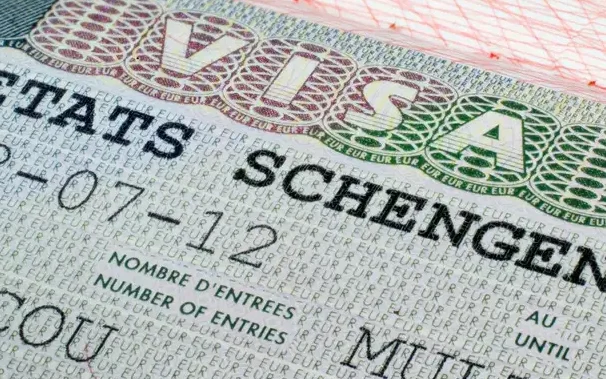
When planning a trip to Europe, most travellers focus on getting their Schengen visa approved. But once the visa is issued, many overlook an important detail — the Schengen visa sticker placed inside the passport. This small sticker carries crucial information that determines where, when, and how long you are allowed to travel within the Schengen Area.

Understanding what each section of the Schengen visa sticker means can help you avoid confusion at immigration, prevent overstays, and ensure smooth border checks. Here’s a clear, traveller-friendly breakdown of everything you need to know.


Why Understanding Your Schengen Visa Sticker Matters

Your Schengen visa sticker is more than just proof of approval — it’s a travel control document. Immigration officers rely on the details printed on it to confirm your entry rights, duration of stay, and compliance with Schengen rules. Even small misunderstandings, such as confusing “validity” with “duration of stay,” can result in denied boarding or questioning at the border.

Knowing how to read your visa sticker puts you in control of your travel plans and helps you stay compliant throughout your journey.


What Is a Schengen Visa Sticker?

A Schengen visa sticker is a physical visa label affixed to one of the pages of your passport by the issuing embassy or consulate. It authorises entry into the Schengen Area for a specific period and purpose, such as tourism, business, or family visits.

This sticker applies to short-stay visas (Type C) and contains coded information used by border authorities across all Schengen countries.


Key Elements on a Schengen Visa Sticker Explained

1. Type of Visa

The visa type indicates the category of travel:

  • Type C: Short-stay visa (up to 90 days within a 180-day period)

  • Type D: Long-stay or national visa (issued for specific countries)

Most tourists and business travellers will hold a Type C Schengen visa.


2. Number of Entries

This section specifies how many times you can enter the Schengen Area:

  • 1: Single entry

  • 2: Double entry

  • MULT: Multiple entries

Once all allowed entries are used, the visa becomes invalid — even if the validity period has not ended.


3. Issuing Country

The issuing state is the Schengen country that approved and issued your visa. While the visa allows travel across the entire Schengen Area, your first point of entry should generally match the issuing country, unless your itinerary clearly justifies otherwise.


4. Valid From / Valid Until

These dates define the overall travel window during which your visa can be used. You may enter the Schengen Area only within these dates — not before or after.

It’s important to note that this does not mean you can stay for the entire duration shown here.


5. Duration of Stay

This indicates the maximum number of days you are permitted to stay within the Schengen Area during the visa’s validity period.

For example:

  • Validity: 3 months

  • Duration of stay: 30 days

You may stay only 30 total days, even though the visa is valid for three months.


6. Remarks Section

This section may include notes such as:

  • Purpose of travel

  • Territorial limitations

  • Special conditions

Travellers should read this carefully, as restrictions mentioned here are legally binding.


schengen visa sticker, schengen visa sticker number, schengen visa validity, schengen visa duration of stay, schengen visa apply

What Is the Schengen Visa Sticker Number?

The Schengen visa sticker number is a unique alphanumeric code printed on the visa label. It acts as an official reference number linked to your visa application and approval records.

This number is frequently used by:

  • Border control officers

  • Embassies and consulates

  • Travel insurance providers

  • Authorities handling visa extensions or corrections

Keeping a copy of this number can be helpful if you need to contact the issuing authority.


Schengen Visa Sticker: Validity vs Duration vs Entries

AspectWhat It MeansWhy It Matters for Travellers
Validity PeriodThe date range during which your Schengen visa can be used to enter the Schengen Area (shown as Valid From and Valid Until).You can only enter the Schengen Area within these dates. Travelling before or after this period is not allowed, even if you haven’t used your stay days.
Duration of StayThe total number of days you are permitted to stay within the Schengen Area during the validity period.This determines how long you can actually remain in Europe. Exceeding this limit counts as an overstay, even if your visa validity is still active.
Number of EntriesThe number of times you are allowed to enter the Schengen Area (Single, Double, or Multiple).Once all allowed entries are used, the visa becomes invalid — even if validity days and stay duration remain unused.

Quick Example for Better Understanding

If your visa shows:

  • Validity: 1 April – 30 June

  • Duration of Stay: 30 days

  • Entries: Single

You may enter the Schengen Area once, stay for up to 30 days total, and must complete your travel within the April–June window.


How Border Officials Use Visa Sticker Information

At immigration checkpoints, officers cross-verify:

  • Visa validity dates

  • Number of entries remaining

  • Duration of stay used

  • Passport details matched with the sticker

Any mismatch — such as overstaying or entering after validity expiry — can lead to fines, refusal of entry, or future visa difficulties.


What to Do If There Is an Error on Your Visa Sticker

If you notice incorrect information on your visa sticker — such as wrong dates, name spelling, or passport number — do not travel with it. Errors must be corrected by the issuing embassy or consulate before departure.

Travelling with incorrect visa details can result in immediate denial at the border, even if the mistake was not yours.


How Travel Insurance Connects to Your Schengen Visa

Travel insurance is a mandatory requirement for Schengen visas, typically covering at least €30,000 for medical emergencies and repatriation. Visa sticker details are often used to verify that your insurance policy aligns with your approved travel period.

Having valid insurance that matches your visa dates ensures smoother checks at both visa processing and immigration stages.


How We Help Travellers Navigate Visa Details

Understanding a Schengen visa sticker is important, but ensuring that every detail aligns with your travel plans is equally critical. This is where Schengen Assist plays a supportive role for travellers navigating the Schengen visa process.

Schengen Assist provides end-to-end guidance focused on clarity and compliance. From reviewing visa stickers for accuracy to helping travellers understand entry rules, duration limits, and documentation alignment, the support is designed to reduce last-minute errors and avoid unnecessary complications at immigration checkpoints.

For travellers applying for or holding a Schengen visa, Schengen Assist helps with:

  • Interpreting visa sticker details such as validity, duration of stay, and entry limits

  • Ensuring travel insurance coverage aligns with visa dates and Schengen requirements

  • Guidance on first port of entry and travel planning across multiple Schengen countries

  • Support in case of discrepancies or clarification needs before travel

Rather than focusing on shortcuts, Schengen Assist emphasises prepared travel — helping travellers understand exactly what their visa allows, so they can travel through the Schengen Area with confidence and peace of mind.


Final Thoughts: Read Your Visa Before You Fly

Before travelling, always take a few minutes to review your Schengen visa sticker carefully. Confirm your dates, number of entries, and allowed stay duration. Understanding these details helps prevent last-minute surprises and ensures your European journey starts stress-free.

A well-planned trip begins not just with a visa approval — but with knowing exactly what that visa allows you to do.

Have questions about your Schengen visa or travel readiness? Schengen Assist helps travellers understand their visa details and prepare for smooth entry.

CONNECT WITH US!

Visit: SchengenAssist.com
Email: info@schengenassist.com

Germany visa, Germany visa for Indians, Germany transit visa, Germany airport transit, Schengen visa India, Germany visa rules, visa-free transit Germany

Germany Visa Rules Changed: Visa-Free Airport Transit for Indian Travellers

Germany has recently introduced a significant update to its transit rules for Indian passport holders. Under this new policy, Indians can transit through major German airports without needing a separate airport transit visa in specific circumstances. This change comes as part of broader efforts to strengthen people-to-people ties and facilitate smoother international travel between India and Europe.

Understanding the Change: What’s New?

Traditionally, Indian travellers who had a layover in Germany—even without leaving the international transit zone—were often required to have a Category A airport transit visa in advance. This added extra cost, documentation, and processing time, even for passengers who never planned to enter Germany or the Schengen Area.

Under the updated policy:

  • Indian passport holders can transit visa-free through German airports such as Frankfurt, Munich, and Berlin, as long as they remain in the international transit area and meet the criteria set by German authorities.

  • This facility does not grant permission to enter Germany or the Schengen Area for tourism, business, or any other purpose. Travellers still need the appropriate visa if they intend to leave the airport or enter Germany.

The new rule aims to ease the travel experience for Indian passengers using Germany as a connection hub to other destinations around the world.


Who Benefits Most from Visa-Free Transit?

This transit update is especially beneficial for:

  • International travellers from India with connecting flights via Germany.

  • Passengers flying to destinations in the Americas, Asia, or Africa where German airports serve as major layover points.

  • Those seeking to reduce the cost and hassle associated with airport transit visas.

For example, travellers flying from India to the United States, Canada, or even some Asian and African destinations often have layovers in Frankfurt or Munich. Under the new rules, they can transit without applying for an additional visa—provided they do not pass through immigration control.


Important Conditions to Know

While this is a positive change, there are key limitations:

No Entry into Germany or Schengen:
Visa-free transit only applies within the international transit zone of the airport. Travellers who wish to enter Germany—even for a short visit—must still apply for a Schengen visa and meet all standard entry requirements.

Valid Destination Visa Required:
Many passengers will still need a valid visa for their final destination. For example, if flying onward to the United States via Frankfurt, an approved US visa is mandatory.

Restricted to Specific Routes:
The exemption applies only when the connection is entirely within the transit zone of German international airports. If travellers must pass through immigration control (e.g., to collect and re-check luggage), this visa waiver may not apply.


How This Helps Indian Travellers

The new policy brings several clear advantages:

  • Reduced visa costs: No need to pay for a transit visa when staying airside during layovers.

  • Simplified documentation: Eliminates an extra layer of paperwork for connecting flights via Germany.

  • Streamlined travel planning: Especially helpful for multi-leg itineraries where Germany is a common stopover.

These changes reflect Germany’s intent to make travel more accessible and responsive to growing demand from Indian passengers.


Germany visa, Germany visa for Indians, Germany transit visa, Germany airport transit, Schengen visa India, Germany visa rules, visa-free transit Germany

Not a Substitute for a Schengen Visa

It’s crucial to understand what this policy does not do:

  • It does not allow Indian travellers to enter Germany or other Schengen countries for tourism, business, or family visits.

  • A Schengen visa remains mandatory for any stay that involves leaving the airport and entering German or Schengen territory.

  • This is a transit convenience measure, not a broader relaxation of entry requirements.

For those planning to visit Europe—whether Germany, Switzerland, France, or anywhere within the Schengen Area—proper visa preparation and documentation continue to be essential.

Confused by Changing Rules? Get Clarity With Us!

European visa and transit policies can change quickly, and even small rule updates—such as visa-free airport transit—can impact travel plans if misunderstood. Schengen Assist helps travellers interpret these updates correctly and prepare their visa applications with a clear understanding of what applies to their itinerary.

Rather than focusing on shortcuts or guarantees, Schengen Assist works at the preparation level—helping applicants assess whether they need a Schengen visa, a transit exemption, or additional documentation based on their route, destination, and travel purpose. This approach is especially valuable for travellers flying through Europe on multi-country or long-haul itineraries.

How Schengen Assist supports travellers:

  • Evaluating whether your journey requires a Schengen visa or qualifies for transit exemptions

  • Clarifying country-specific rules that vary across Schengen member states

  • Assisting with document readiness before appointment booking

  • Providing process clarity for VFS submissions and timelines

  • Helping travellers avoid incorrect visa applications or unnecessary transit visas

With a focus on accuracy, practical guidance, and up-to-date Schengen knowledge, Schengen Assist enables travellers to plan confidently—without confusion caused by evolving visa and transit regulations.


Final Takeaway

Germany’s visa-free transit policy for Indian passport holders marks a welcome step toward smoother, more efficient international travel. It removes a longstanding barrier for Indian flyers with connecting itineraries through German airports. However, for travel that involves entering Germany or the Schengen Area, the standard Schengen visa application process still applies.

Whether you’re flying onward to another continent or planning a European trip, understanding these rules can help you plan better, save on unnecessary visas, and make your travel experience more seamless.

Quick FAQ: Germany Visa-Free Transit for Indian Travellers

Q1: Do Indian passport holders need a visa to transit through Germany?
A: No, if you remain within the international transit zone at major German airports (like Frankfurt, Munich, or Berlin), you do not need a separate airport transit visa.

Q2: Can I leave the airport during a layover in Germany without a visa?
A: No. Visa-free transit applies only while staying airside. To enter Germany or the Schengen Area, a standard Schengen visa is still required.

Q3: Which airports in Germany allow visa-free transit for Indians?
A: The exemption applies to major international airports such as Frankfurt, Munich, and Berlin, among others, provided you meet transit conditions.

Q4: Do I still need a visa for my final destination?
A: Yes. If your journey continues to another country, you must have a valid visa for that destination. The Germany transit rule does not replace any destination visa requirements.

Q5: Does this change affect Schengen visa applications?
A: No. This rule only simplifies transit. Indian travellers still need a Schengen visa if they plan to enter Germany or any other Schengen country.

Q6: Who benefits most from this new policy?
A: Passengers on long-haul or multi-leg flights who connect through German airports, especially during peak travel seasons, benefit from reduced paperwork and cost.

Travel Through Germany or the Schengen Area Smoothly

Schengen Assist helps Indian travellers navigate Germany transit rules and Schengen visa applications with clarity and confidence—so your journey stays stress-free.

Contact Us!

EMAIL: info@schengenassist.com

schengen visa, europe travel, schengen tourist visa, europe business visa

VFS Global Premium Services for Switzerland Visa: Are They Worth the Extra Cost?

Applying for a Switzerland Schengen visa from India requires careful planning, accurate documentation, and an in-person visit to a VFS Global Visa Application Centre. With India submitting over 1.3 million Schengen visa applications annually, Switzerland receives a substantial number of tourist, business, and family-visit requests each year. During peak travel seasons, visa centres can become busy, prompting many applicants to consider VFS Global’s optional premium services. But are these services actually worth the additional cost?

To answer this, it’s important to understand what premium services offer, who benefits most from them, and whether they truly improve the overall visa application experience.


Understanding VFS Global Premium Services

VFS Global acts as an administrative intermediary, handling appointment scheduling, document intake, biometric collection, and passport dispatch for Switzerland visa applicants. On average, a standard appointment at a VFS centre can take between 60 and 120 minutes, depending on city location, appointment volume, and season.

To enhance comfort and convenience, VFS Global offers a range of optional premium services that applicants can select voluntarily. These services do not influence visa approval or reduce embassy processing time. Instead, they are designed to improve the submission experience at the visa centre itself.

Common premium services include premium lounge access, passport return by courier, SMS application updates, document assistance, and bundled value packages.

To help applicants decide more clearly, the table below compares the standard Switzerland visa application process with the optional premium services offered by VFS Global.


Standard vs Premium Services at VFS Global (Switzerland Visa)

FeatureStandard ApplicationPremium Services
Appointment Waiting TimeTypically 60–120 minutes, depending on seasonOften reduced by 30–45 minutes with priority handling
Seating & EnvironmentShared waiting areaDedicated premium lounge with comfortable seating
Staff AssistanceBasic document submission supportPersonalized assistance during submission
Privacy LevelLimited during peak hoursHigher privacy and quieter environment
Passport CollectionIn-person collection requiredCourier return available, used by ~65–70% applicants
Application Status UpdatesOnline tracking onlyOptional SMS updates throughout processing
Impact on Visa DecisionNo influenceNo influence
Average Embassy Processing Time10–15 working days10–15 working days (unchanged)
Overall Cost ImpactStandard visa and service feesIncreases total cost by approx. 20–35%

Premium Lounge Access: Comfort vs Practicality

Premium lounge access is one of the most visible and widely chosen services. During high-demand periods such as April to August and November to December, visa centres often operate at near-full capacity. Waiting areas can become crowded, particularly in metro cities.

Applicants opting for premium lounge access typically experience shorter queues, priority counters, and a calmer environment. In many cases, this can reduce overall time spent at the centre by up to 45 minutes. For senior citizens, families with children, or business travellers with tight schedules, this comfort can be valuable.

However, it’s crucial to understand that while premium lounge access improves the on-site experience, it does not impact how quickly the embassy processes the application.


Courier and SMS Services: High Practical Value

Among all premium options, passport return by courier is often considered the most useful. Data from visa centres suggests that nearly two-thirds of applicants choose courier delivery, particularly those living 30–50 km away from the nearest VFS centre.

Courier service eliminates the need for a second visit, which can otherwise take several hours when accounting for travel time, queues, and security checks.

SMS updates are another commonly chosen add-on. Since Switzerland visa processing can extend beyond 15 working days during peak travel months, SMS alerts provide timely updates and reduce uncertainty during the waiting period.


A Common Misconception: Faster Visa Approval

One of the biggest myths surrounding premium services is that they lead to faster or guaranteed visa approval. In reality, Switzerland’s Schengen visa approval rate typically ranges between 85% and 90% for well-prepared applicants, regardless of whether premium services are used.

Visa approval depends on factors such as travel purpose, financial documentation, accommodation proof, insurance coverage, and travel history. Premium services do not influence these criteria in any way.


Cost Impact on Your Overall Visa Budget

A Switzerland Schengen visa involves multiple expenses beyond the application itself. On average, applicants spend:

  • Visa and service fees: ₹8,000–₹10,000

  • Travel insurance: ₹800–₹2,500

  • Document preparation and photocopies: ₹500–₹1,000

Adding premium services can increase the total cost by 20–35%, depending on the options selected. For budget-conscious travellers, this added expense may not be necessary. Many applicants therefore choose only essential add-ons, such as courier return, while skipping premium lounge access.


Who Should Consider Premium Services?

Premium services tend to offer the most value for:

  • Applicants travelling during peak seasons

  • Individuals living far from visa centres

  • Business travellers with fixed timelines

  • First-time Schengen applicants seeking reassurance

They may be less useful for:

  • Experienced Schengen travellers

  • Applicants living close to the visa centre

  • Those comfortable with standard procedures

  • Budget-focused travellers


Need Support With Your Switzerland Schengen Visa? Connect With Schengen Assist

Applying for a Switzerland Schengen visa involves more than just booking an appointment—it requires accuracy, timing, and a clear understanding of country-specific requirements. Schengen Assist provides structured, professional guidance to help applicants prepare their visa applications correctly and confidently. With a focus on clarity rather than shortcuts, their approach supports travellers throughout the preparation stage, ensuring documentation and submissions align with Schengen regulations.

Their assistance is particularly useful for applicants who want to minimise errors, avoid last-minute stress, and approach the visa process in a well-informed manner—especially during peak travel seasons when appointment availability and documentation scrutiny increase.

Schengen Assist can help with:

  • Clear guidance on Switzerland Schengen visa documentation requirements

  • Pre-submission document checks to reduce errors and omissions

  • Appointment planning and procedural clarity for VFS submissions

  • Understanding visa categories, timelines, and common rejection reasons

  • End-to-end application preparation support without false guarantees

By focusing on preparation, transparency, and real-world Schengen visa experience, Schengen Assist helps applicants approach their Switzerland visa application with confidence and clarity—two factors that matter far more than premium add-ons alone.


Final Verdict: Are VFS Global Premium Services Worth It?

VFS Global premium services do not guarantee faster processing or higher approval chances. However, they do enhance comfort, reduce logistical effort, and improve the overall submission experience.

For applicants who value convenience, saved time, and reduced stress, premium services can be worth the additional cost. For others, the standard Switzerland visa application process remains efficient and reliable without any upgrades.

With Switzerland issuing hundreds of thousands of Schengen visas every year, the system is designed to function smoothly even without premium add-ons. The key is choosing services based on personal priorities—not expectations of faster approval.

Need clarity on your Switzerland Schengen visa process? Connect with Schengen Assist for step-by-step application support.

Visit: SchengenAssist.com
Email: info@schengenassist.com

Greece visa India, GVCW closure India, Greece tourist visa, Greece business visa, Schengen visa India, Schengen itinerary, multi-country Schengen, Greece short stay, Indian travellers Europe, Greece travel 2026, Schengen visa tips, Greece visa application, Europe trip planning

Greece Visa Application Centres in India Cease Operations Starting January 2026

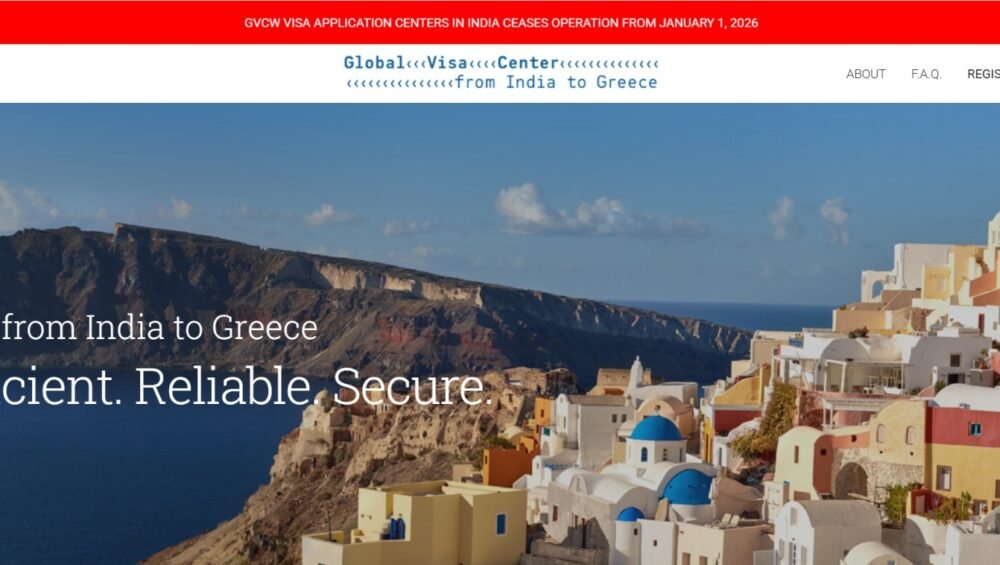
Indian travellers planning a Greece visa should take note of a major update affecting visa application procedures in India. Effective 1 January 2026, all Global Visa Center World (GVCW) Visa Application Centres in India will cease operations.

This change affects all visa types, including tourist visas, business visas, and long-stay visas, and signals a temporary pause in the standard visa application process across India. Indian travellers planning trips to Greece — for leisure, business, study, or family purposes — should be aware of this development and plan accordingly.

What Indian Applicants Need to Know

GVCW had been acting as the official service provider for the Greek Consular Authorities in India, helping Indian nationals with visa appointments, biometric collection, document verification, and passport services. Its centres in multiple cities offered convenience and accessibility for applicants outside New Delhi.

With operations ceasing from 1 January 2026, Indian travellers will need to contact the Embassy of Greece in New Delhi directly for guidance on submitting visa applications. Until new arrangements or service providers are announced, this will be the primary point of contact for visa queries.

This development affects applicants across all visa categories:

  • Tourist visas (short-stay Schengen Type C)

  • Business visas

  • Long-stay visas (Type D) for work, study, or family reunification

Applicants are encouraged to monitor updates from the Greek Embassy to understand the temporary procedures and avoid delays.

Practical Solution for Indian Travellers

For Indian travellers who wish to visit Greece despite the temporary unavailability of GVCW centres, there is a viable workaround using the Schengen visa system:

  1. Apply for a Schengen Visa from Another Country

    • Identify the Schengen country where you will spend the most days during your trip (e.g., France, Germany, or Italy).

    • Submit your visa application to that country’s consulate in India following standard procedures.

  2. Include Greece as a Short Visit

    • Once the Schengen visa is approved, you can visit Greece as part of your multi-country European itinerary, even if it’s only for a day or two.

    • Ensure your travel itinerary clearly shows the main stay in the country where the visa is issued, with Greece as a secondary stop.

  3. Follow Schengen Rules

    • The Schengen visa must be issued by the country of longest stay (or first entry if durations are equal).

    • Short visits to Greece are legally permitted under this visa.

  4. Plan Your Travel Documents Carefully

    • Include flight tickets, accommodation bookings, and travel plans that reflect the main country of stay.

    • Keep all documentation ready in case authorities request proof of your itinerary.

  5. Seek Expert Guidance

    • A visa assistance service like Schengen Assist can help ensure your itinerary, documents, and visa application align with Schengen regulations and maximise your chances of approval.

This solution allows Indian travellers to avoid delays caused by the temporary closure of Greece visa centres while still including Greece in their trip.

Why This Works for Tourist and Business Visa Applicants


  • Tourist visa applicants: Can plan a full itinerary in another Schengen country while including Greece for short visits, ensuring a smooth travel experience.

  • Business visa applicants: Can attend meetings or conferences in Europe and visit Greece for brief business purposes without needing a separate Greek visa.

  • Long-stay travellers: Students or professionals spending extended periods in another Schengen country can still make short trips to Greece legally.

This approach ensures that Indian travellers maintain their travel plans legally and efficiently, despite temporary changes in Greece visa operations.

Contacting the Greek Embassy in New Delhi

Until further notice, the Embassy of Greece in New Delhi is the official point of contact for all visa-related queries and procedures. Applicants who had planned to visit GVCW centres after January 1, 2026, should now:

  • Reach out directly to the embassy for updated instructions on where and how to apply.

  • Confirm appointment availability for tourist, business, or long-stay visa submissions.

  • Prepare documents in line with embassy guidelines to avoid delays.

Being proactive in communicating with the embassy is especially important for Indian travellers with tight schedules or urgent travel requirements.

Final Thoughts

The cessation of GVCW Visa Application Centres in India from January 1, 2026, represents a significant temporary disruption for Indian travellers applying for Greece visas. However, by applying for a Schengen visa from the country where they will spend most of their stay, travellers can still legally visit Greece for a short period.

This solution provides a practical workaround for both tourist and business travellers, ensuring their European itineraries remain intact. Careful planning, timely applications, and proper documentation are key to making this approach work smoothly.

Plan, Apply, Travel

Indian travellers planning a tourist, business, or long-stay trip to Greece can rely on Schengen Assist for expert guidance. From itinerary planning to Schengen visa applications and compliance with short-stay Greece visits, we ensure your travel is seamless. Contact us today to get professional support and secure your European journey confidently.

  •  Get professional help before you apply

  •  Travel smart, avoid application pitfalls

  •  Maximise your chances for visa success

Visit: SchengenAssist.com
Email: info@schengenassist.com

Netherlands Visa | Schengen Assist

VFS Global to Relocate Schengen, UK & Ireland Visa Centres in New Delhi from January 12, 2026

VFS Global, the official visa application partner for multiple countries, has announced a major update for Indian travellers. Starting 12 January 2026, the Schengen, United Kingdom, and Ireland visa application centres in New Delhi will relocate to a new, consolidated address in Connaught Place. The relocation affects both tourist and business visa applicants, ensuring that all submissions, biometric enrolments, and passport collections are conducted at a modern, centralised facility designed to handle growing demand in India’s capital.

The relocation aims to improve operational efficiency, reduce waiting times, and create a streamlined environment for applicants. Indian travellers planning trips to Europe, the UK, or Ireland — whether for leisure or business — must take note of the new centre details to avoid delays or missed appointments.


What This Relocation Means for Indian Applicants

The relocation consolidates multiple visa application services under one roof. This includes Schengen tourist and business visas for European countries such as Croatia, Denmark, Finland, Iceland, Malta, Norway, Slovenia, and Sweden. Additionally, UK and Ireland tourist and business visa applications will also be handled at the new centre.

For Indian travellers, this move has several practical implications:

  • All appointments scheduled on or after 12 January 2026 must be attended at the new KG Marg centre.

  • Visiting the wrong location could result in rescheduling delays, which may affect travel bookings and business schedules.

  • Consolidation of services helps applicants who may be applying for multiple visas simultaneously, simplifying planning and submissions.

  • Modern facilities at the new centre provide a more organised and comfortable experience for both first-time and frequent travellers.

The relocation also signals VFS Global’s commitment to providing Indian travellers with a more structured and reliable visa application process, accommodating the rising number of tourist and business visa applications.


Previous Address

Until 11 January 2026, all visa application services continue at the existing location. Applicants with appointments within this period should report to:

Shivaji Stadium Metro Station, New Delhi

This centre remains fully operational for tourist and business visa submissions, biometric collection, and passport pick-up until the transition date.


New Address

From 12 January 2026 onwards, the relocated visa application centre will handle all Schengen, UK, and Ireland visa submissions for Indian travellers. This includes both tourist and business visa applications, as well as biometric enrolment and support services.

New Address:
#27 Kasturba Gandhi (KG) Marg, Connaught Place, New Delhi – 110001

Indian travellers with appointments scheduled on or after this date should plan their visit to this new location. Being aware of the correct centre ensures a smooth application process and prevents unnecessary delays.


Passport Collection Transition

VFS Global has also announced a transition timeline for passport collection:

  • Until 16 January 2026, passports can still be collected from the existing Shivaji Stadium Metro Station centre.

  • From 19 January 2026 onwards, all passport collections — for both tourist and business visa applicants — will take place at the new KG Marg, Connaught Place centre.

Applicants are encouraged to double-check their passport collection dates to avoid confusion, especially for business travellers with tight schedules or urgent travel plans.


Implications for Indian Tourist and Business Visa Applicants

For Indian travellers, the relocation highlights the importance of being informed and planning ahead:

  • Verify appointment details: Always check the location and date on your confirmation notice to avoid travelling to the old centre.

  • Plan for business trips: Business visa applicants with tight schedules should account for travel to the new centre to ensure timely submissions.

  • Tourist visa planning: Leisure travellers should factor in the transition timeline for passport collection when booking flights and accommodation.

  • Document readiness: Ensure all required documents for tourist or business visas are complete, including travel itineraries, accommodation proof, invitation letters, and financial statements.

  • Multiple visa submissions: Indian applicants applying for more than one country’s visa will benefit from the centralised location.

By understanding these details, Indian travellers can avoid delays and ensure a smooth application experience for both tourist and business purposes.


Tips for a Smooth Transition

To ensure a seamless experience for Indian travellers, VFS Global recommends the following:

  • Double-check the new KG Marg address before your appointment.

  • Arrive early, especially during the initial weeks after relocation, as the centre may experience high footfall.

  • Carry all supporting documents for both tourist and business visa applications.

  • Follow passport collection timelines to avoid missing important travel plans.

  • Seek assistance if needed to clarify appointment or document submission questions.

Following these steps can prevent last-minute issues and ensure Indian travellers meet their visa deadlines efficiently.


Why This Relocation Matters

The relocation reflects VFS Global’s ongoing commitment to improving the visa application experience for Indian travellers. By consolidating Schengen, UK, and Ireland tourist and business visa services under one roof, applicants can enjoy:

  • Easier accessibility in central New Delhi

  • Streamlined submission and biometric processes

  • Modern, organised facilities designed for high-volume applications

For Indian business travellers, the move ensures that tight schedules are accommodated efficiently. For tourists, it provides a more structured environment, reducing confusion and potential delays.


Final Thoughts

Indian travellers applying for tourist or business visas to Schengen countries, the UK, or Ireland must take note of the VFS Global relocation effective 12 January 2026. By planning ahead, noting the new KG Marg address, and following passport collection timelines, applicants can ensure a hassle-free and efficient visa application process.


Call to Action / Contact Prompt:
If you are an Indian traveller planning a tourist or business trip to Europe, the UK, or Ireland, let Schengen Assist guide you through the visa process. From document verification to appointment planning and submission support, we ensure your application is complete and on time. Contact us today to secure expert assistance for a smooth visa journey.

Croatia Schengen visa, Croatia visa from India, Croatia Schengen visa application, VFS Croatia visa India, Croatia visa application centre India, VFS Global Croatia visa

Croatia Visa Application Update for India: VFS Global Centre Relocation from January 2026

If you’re planning to apply for a Croatia Schengen visa from India, there’s an important update you need to be aware of. VFS Global, the official visa application partner for Croatia, has announced a relocation of its Croatia Visa Application Centre in New Delhi, effective 12 January 2026.

While the visa process itself remains unchanged, knowing the correct application centre location is crucial to avoid missed appointments, delays, or last-minute confusion. Here’s everything applicants should know about this update and how it impacts Croatia visa applications from India.

VFS Global Croatia Visa Centre Relocation: What’s Changing

Croatia Visa Application Update for India

According to the official notification published by VFS Global, the Croatia Visa Application Centre in New Delhi will operate from a new address starting 12 January 2026. Applicants who have appointments on or after this date must ensure they visit the relocated centre for document submission, biometric enrolment, and passport collection.

This relocation applies only to the physical location of the visa application centre. There are no changes to visa eligibility, documentation requirements, appointment booking procedures, or processing timelines.

Updated Address for Visa Centre

VFS Global has announced a location change for the Croatia Visa Application Centre in New Delhi. Applicants with appointments scheduled from 12 January 2026 onward should note that visa submissions and biometric enrolment will no longer take place at the earlier venue and must be completed at the updated centre.

Previous Address

The earlier visa application centre remains operational only for appointments scheduled up to 11 January 2026. Applicants falling within this period should continue to report to the existing location as originally advised.

📍  Shivaji Stadium Metro Station, New Delhi

New Address

All appointments scheduled from 12 January 2026 onwards will be handled at the relocated centre. Applicants are encouraged to review their appointment confirmation carefully and plan their visit to the new location to avoid any inconvenience.

📍  #27 K.G. Marg, Connaught Place, New Delhi – 110001

Who Is Affected by This Update

This update is relevant for:

  • Indian passport holders applying for a Croatia Schengen visa

  • Applicants traveling to Croatia as their main Schengen destination

  • Individuals with appointments scheduled on or after 12 January 2026

  • Travelers submitting applications through VFS Global New Delhi

Applicants who are unaware of the new address risk arriving at the old location and missing their appointment, which could lead to rescheduling delays.

Croatia Schengen Visa Application Process (Unchanged)

Despite the centre relocation, the overall Croatia visa process remains the same. Applicants are still required to follow standard Schengen visa procedures:

First, complete the Croatia Schengen visa application form through the official Croatian consular system and print the signed copy. Next, book an appointment at the VFS Global centre and attend it in person for document submission and biometric data collection. Applicants must submit all required documents, including passport, photographs, travel itinerary, accommodation proof, travel insurance, financial evidence, and supporting documents relevant to their visa category.

Visa applications can be submitted up to six months before travel and no later than 15 days prior to departure, in line with Schengen rules.

Why Centre Relocation Notices Matter

Visa application centre relocations may seem minor, but they can have a significant impact on applicants. Visiting the wrong location can result in missed appointments, delayed submissions, and in some cases, the need to rebook appointments altogether.

For travellers with fixed travel dates, such delays can affect flight bookings, hotel reservations, and overall travel plans. Staying updated with official VFS Global announcements helps ensure a smooth and stress-free visa application experience.

Tips for Croatia Visa Applicants in 2026

Before attending your appointment, always double-check the latest VFS Global updates, confirm the correct centre address, and arrive early on the day of submission. Keep printed copies of your appointment confirmation and application form, and ensure your documents are arranged as per VFS guidelines.

If you’re unsure about documentation, appointment availability, or centre changes, professional visa assistance can help streamline the process and reduce errors.

Looking for Support With Your Croatia Schengen Visa?

Applying for a Croatia Schengen visa can feel overwhelming, particularly with updates such as visa centre relocations, limited appointment availability, and strict documentation requirements. Missing even a small detail can lead to delays or resubmissions, which is why having the right guidance matters.

Schengen Assist helps simplify the process with structured, experience-backed support at every stage of your Croatia Schengen visa application. The approach focuses on accuracy, compliance, and preparation — ensuring your application is complete and submission-ready.

How Schengen Assist supports your application:

  • Clear guidance on Croatia Schengen visa requirements and eligibility

  • Step-by-step assistance with application form completion

  • Thorough document review to meet embassy and VFS standards

  • Appointment planning and submission readiness support

  • Guidance on travel insurance, financial documents, and cover letters

  • Ongoing support until your application is submitted successfully

Final Thoughts

The relocation of the VFS Global Croatia Visa Application Centre in New Delhi from 12 January 2026 is an important update for Indian travellers planning a trip to Croatia. While the visa process itself remains unchanged, being informed about operational updates ensures your application journey stays smooth and delay-free.

Staying updated, planning ahead, and following official guidance are key steps to securing your Croatia Schengen visa without unnecessary complications.

Talk to Expert:

Planning a trip to Croatia in 2026? Let Schengen Assist handle the details so you can focus on your travel plans. Get expert guidance, structured support, and end-to-end assistance for your Croatia Schengen visa application — all designed to help you apply with confidence.

Visit: SchengenAssist.com
Email: info@schengenassist.com

schengen visa photo requirements

Schengen Visa Photo Requirements – Complete Guide for Applicants

Submitting the correct photograph is a critical part of your Schengen visa application. Even minor mistakes in photo size, background, lighting, or facial position can lead to application delays or rejection.

This guide explains exact Schengen visa photo specifications, including size, background, lighting, facial expression, eyewear rules, and special instructions for children—based on official requirements PDF Link 

1. Schengen Visa Photo Size & File Specifications

Your visa photo must meet both digital and print standards.

Digital Photo Requirements

  • File size: Minimum 10 KB – Maximum 300 KB

  • Photo dimensions: Height and width must be equal

  • Format: High-resolution, clear image

  • No visible pixels, dot patterns, or blur

Printed Photo Requirements

  • Size: 2 inch × 2 inch (50 mm × 50 mm)

  • Color photo only

  • Printed on thin, high-quality photo paper

  • No borders, frames, or decorative edges

Your Tourist Guide, read more: Countries That Require a Schengen Visa to Travel to Europe (Tourist Guide)

2. Face Position & Head Size Rules

Your face must be clearly visible and properly aligned.

  • Full face, front-facing, eyes open

  • Head centered within the frame

  • Entire head visible:

    • From top of hair to bottom of chin

  • Head size: 25 mm to 35 mm

  • Eyes positioned at a natural level (not too high or low)

❌ Tilted head, side profiles, cropped chin, or excessive zoom are not acceptable.


3. Background Requirements

  • Background must be plain white or light-colored

  • No patterns, textures, or objects

  • No shadows on:

    • Face

    • Background

  • Uniform lighting across the backdrop

A clean background helps ensure biometric accuracy.

Latest Updates: VFS Global to Relocate Schengen, UK & Ireland Visa Centres in New Delhi from January 12, 2026

4. Lighting, Exposure & Image Quality

Proper lighting is essential for acceptance.

Lighting Guidelines

  • Even, balanced lighting on the face

  • No harsh shadows or bright reflections

  • Avoid over-exposure or under-exposure

  • Diffused lighting preferred over direct flash

Image Quality

  • High contrast with natural skin tones

  • Facial features must be clearly visible

  • No filters, retouching, or softening effects

  • Color balance should be neutral (no color cast)


5. Facial Expression & Eye Visibility

  • Neutral expression

  • Mouth closed

  • Eyes clearly visible and level

  • Hair must not cover the eyes

  • Both edges of the face must be visible

Smiling, squinting, or exaggerated expressions may lead to rejection.

Learn More: Greece Visa Application Centres in India Cease Operations Starting January 2026

6. Eyeglasses & Head Coverings

Eyeglasses Rules

  • No tinted or dark glasses

  • Avoid glare on lenses

  • Frames must not cover the eyes

Head Coverings

  • Not allowed unless worn for religious reasons

  • Even with head coverings:

    • Full face must be visible

    • Forehead, chin, and face edges must be clearly shown


7. Special Rules for Children & Infants

Schengen visa photo rules are more flexible for children, but clarity is still required.

Babies (Under 1 Year)

  • Eyes do not need to be open

  • Natural posture acceptable

Children Under 10 Years

  • Minor flexibility allowed for:

    • Face height

    • Eye position

  • Child must:

    • Be photographed alone

    • Face the camera

    • Have a neutral expression

    • No toys, chairs, or people visible in the photo


8. Common Photo Mistakes to Avoid

❌ Selfies
❌ Cropped or stretched images
❌ Shadowed background
❌ Smiling or open mouth
❌ Edited or filtered photos
❌ Low-resolution uploads

Avoiding these mistakes can save time and prevent re-submission.


Final Tip: Why Photo Accuracy Matters

Your visa photo is used for identity verification, biometrics, and border control checks. Even if all documents are correct, an invalid photograph can result in delays or refusal.

If you’re unsure whether your photo meets Schengen standards, professional guidance can help ensure your application proceeds smoothly

Need Help With Your Schengen Visa  Application?

Getting your Schengen visa photo right is just one part of a successful application. A small mistake can lead to delays, resubmissions, or rejection.

Schengen Assist provides expert guidance to help you submit your application with confidence.

How We Help You

✔ Photo requirement verification
✔ Document checklist & review
✔ Appointment guidance & application support
✔ Step-by-step expert consultation

Whether you’re applying for the first time, traveling with family or children, or unsure about photo specifications, our team ensures everything is aligned with official requirements.

Get More Information: Schengen Assist: Your Trusted Partner for Stress-Free European Travel

Get Started Today

📩 Submit your details for a quick review
📞 Speak with a Schengen documentation expert
Avoid delays caused by incorrect photos or documents

👉 Start your Schengen Assistance Now